Licensed & insured · Southern Oregon roofing · CCB #260050
Licensed & insured · Southern Oregon roofing · CCB #260050
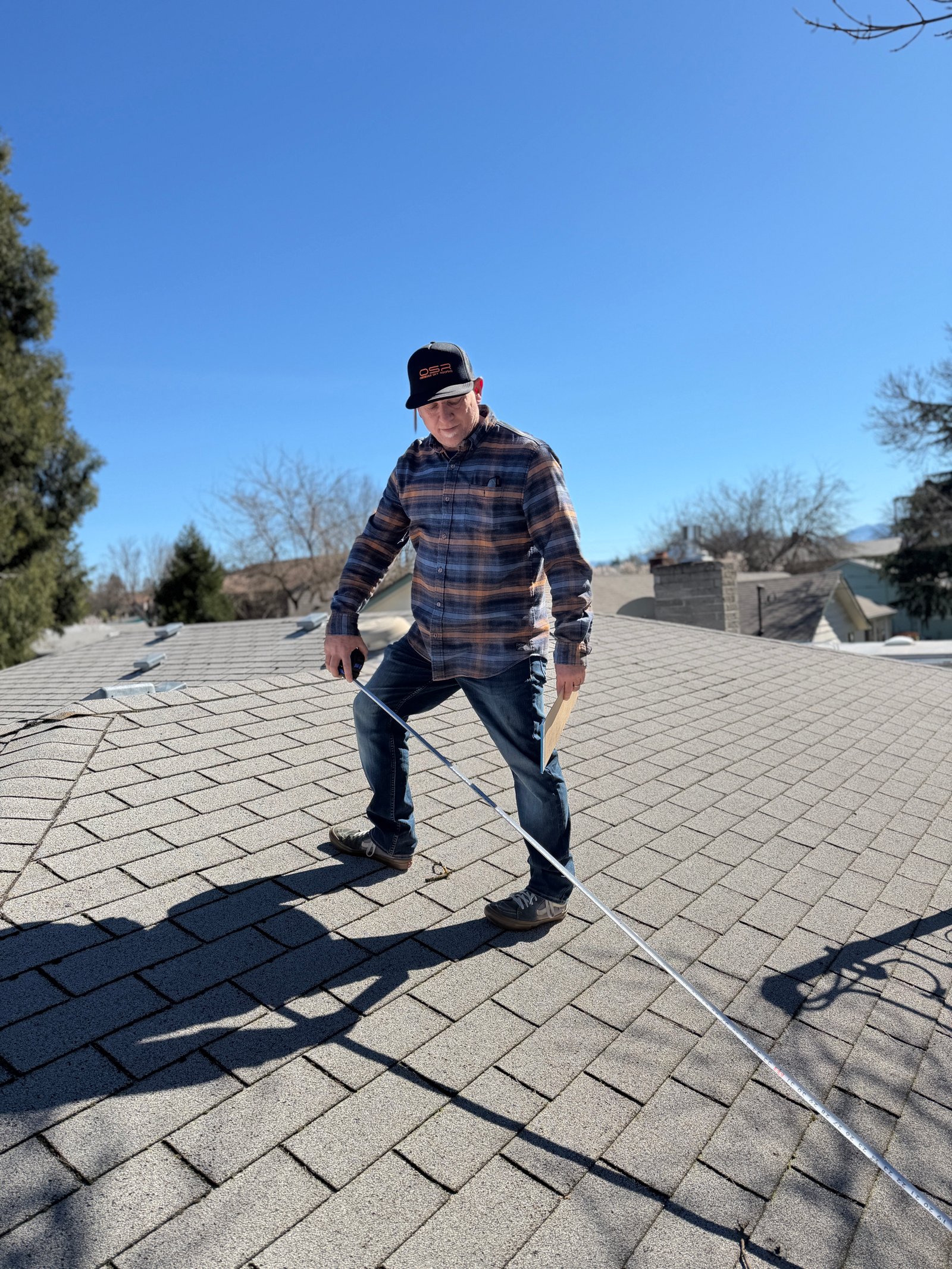
Roof inspections
Whether something looks wrong or you simply need a reliable baseline, an OSR inspection turns visible roof conditions into priorities you can understand.
01
Photos connect the recommendation to what is actually visible on the roof.
02
We separate items that need prompt attention from maintenance items and conditions worth watching.
03
The findings can guide repair, replacement, maintenance, or the decision to leave a serviceable roof alone.
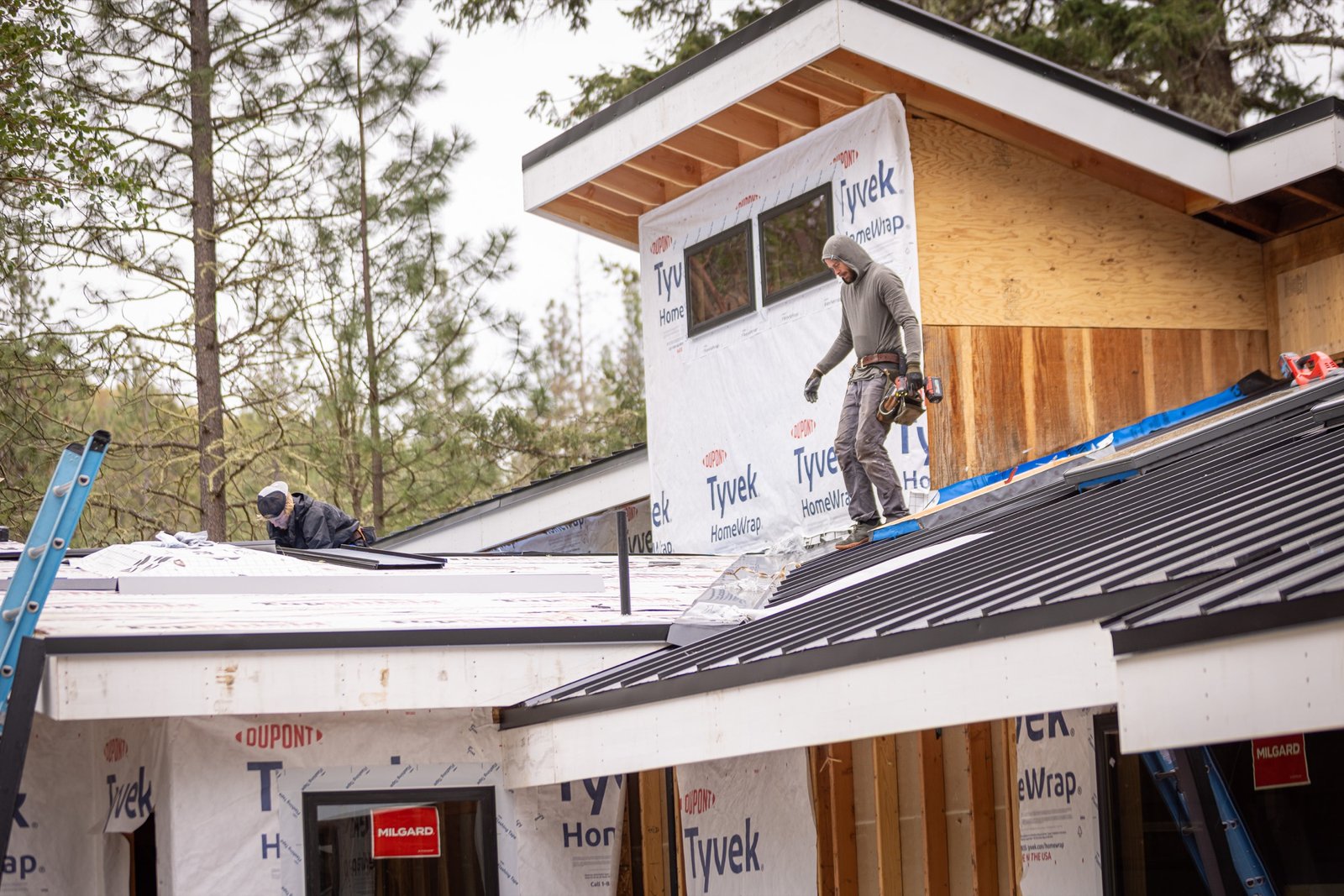
When to call
An inspection connects the symptom to exterior conditions and helps define urgency.
Roof information can help you budget and coordinate related work before decisions become time-sensitive.
Wind, branches, and seasonal exposure can create damage that is difficult to judge from the ground.
A baseline inspection identifies aging details and maintenance priorities before they become surprises.
What the work needs to solve
Whether something looks wrong or you simply need a reliable baseline, an OSR inspection turns visible roof conditions into priorities you can understand.
01
We review accessible materials for displacement, cracking, wear, impact, and other visible concerns.
02
Walls, vents, chimneys, skylights, pipes, and transitions are checked because small details often drive leaks.
03
Valleys, roof edges, gutters, and collection points are reviewed for conditions that may hold water or redirect it.
04
Visible attic or interior evidence can help connect a symptom to the roof, although access and scope vary by property.
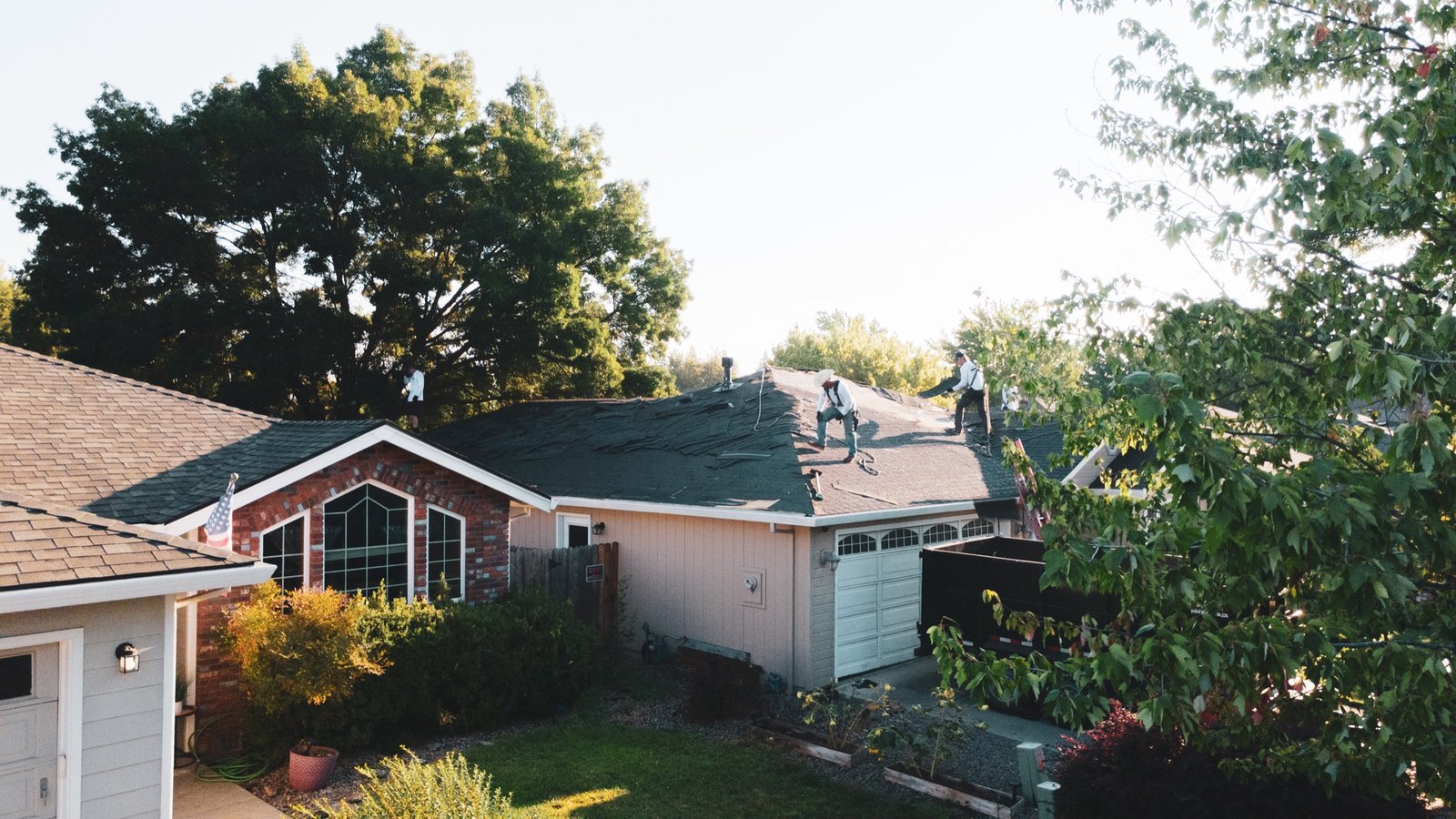
“The goal is not to make the decision for you. It is to make the roof understandable enough that you can make it.”
THE OSR APPROACH
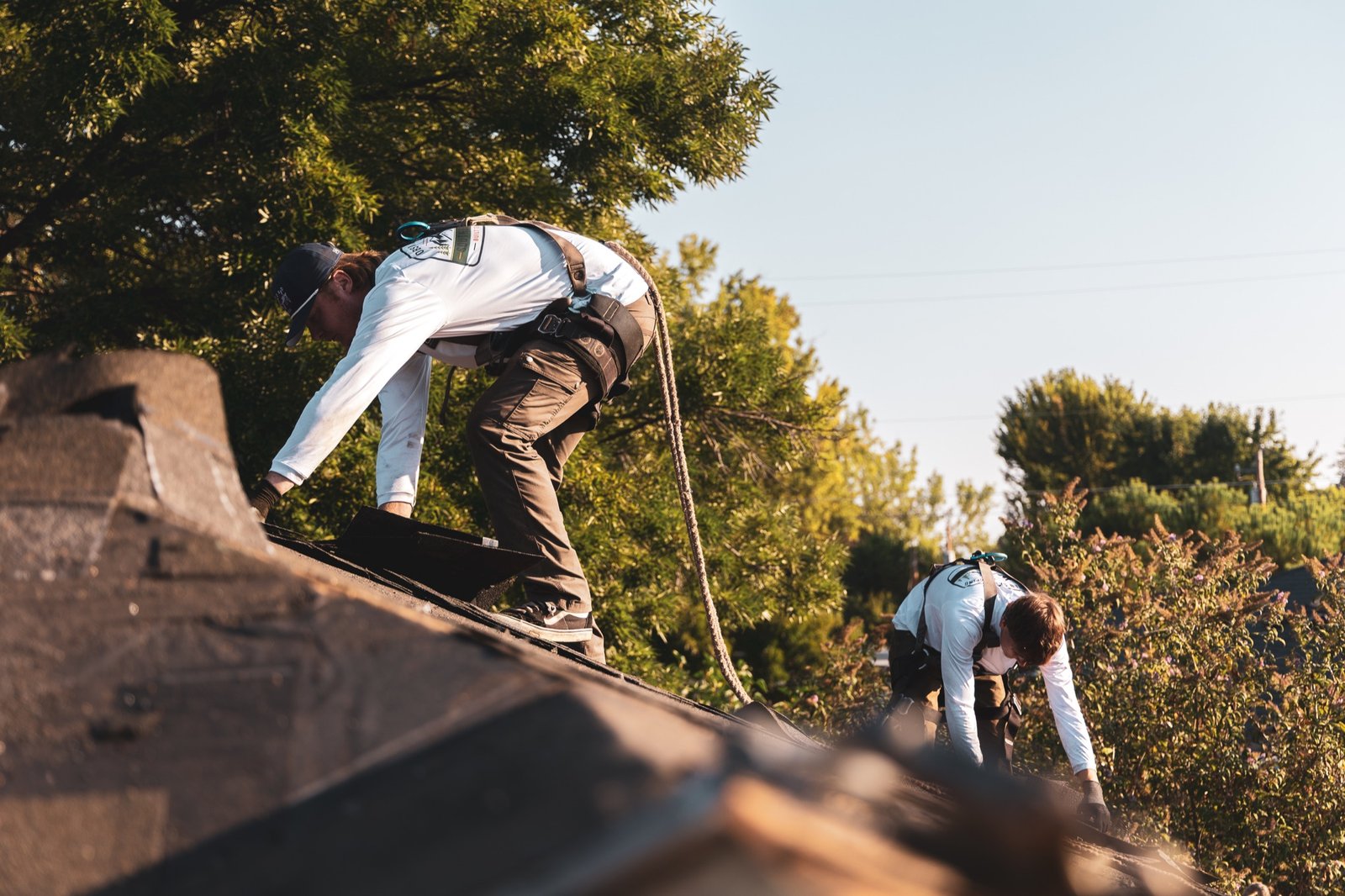
From first call to final walk-through
You should know what is happening, why it matters, and what comes next. We keep decisions visible throughout the work.
01
You tell us what prompted the inspection, what the roof has experienced, and what decision you are trying to make.
02
The inspector evaluates the relevant roof areas and documents significant visible details.
03
Items are separated into immediate concerns, maintenance opportunities, and longer-term watch points.
04
We explain what the findings mean and whether repair, replacement, maintenance, or no current work appears most sensible.
05
The documentation gives you a reference for planning and future conversations about the roof.
Common questions
If your question is specific to your house, the most useful answer usually starts with seeing the roof in person.
OSR uses photos to support the explanation of visible findings. The goal is to help you see why an item matters, not simply hand over an unexplained list.
An inspection establishes visible condition and likely needs. An estimate comes after the scope is understood and describes the work proposed to address it.
No visual inspection can guarantee discovery of every concealed condition. Access, weather, finishes, and roofing layers can limit what is visible, and those limits should be explained.
Accessible roofing conditions can be reviewed around the array. If work requires access beneath panels, the inspection helps determine whether confirmed removal and reinstallation should be coordinated.
We are comfortable saying that. A useful inspection may result in maintenance guidance, watch points, or reassurance that no immediate roofing project is recommended.
Clear guidance. No pressure.
Tell us what you are seeing. We will help you understand the condition, the options, and the next sensible step.