
Smaller, simpler roofs
$8,000–$14,000
Often smaller homes with straightforward rooflines and asphalt-shingle roofing systems.
Licensed & insured · Southern Oregon roofing · CCB #260050
Southern Oregon roof cost guide
Start with practical planning ranges, understand what changes the price, and know what to look for in a written estimate. Your actual cost depends on the roof and the work it needs.
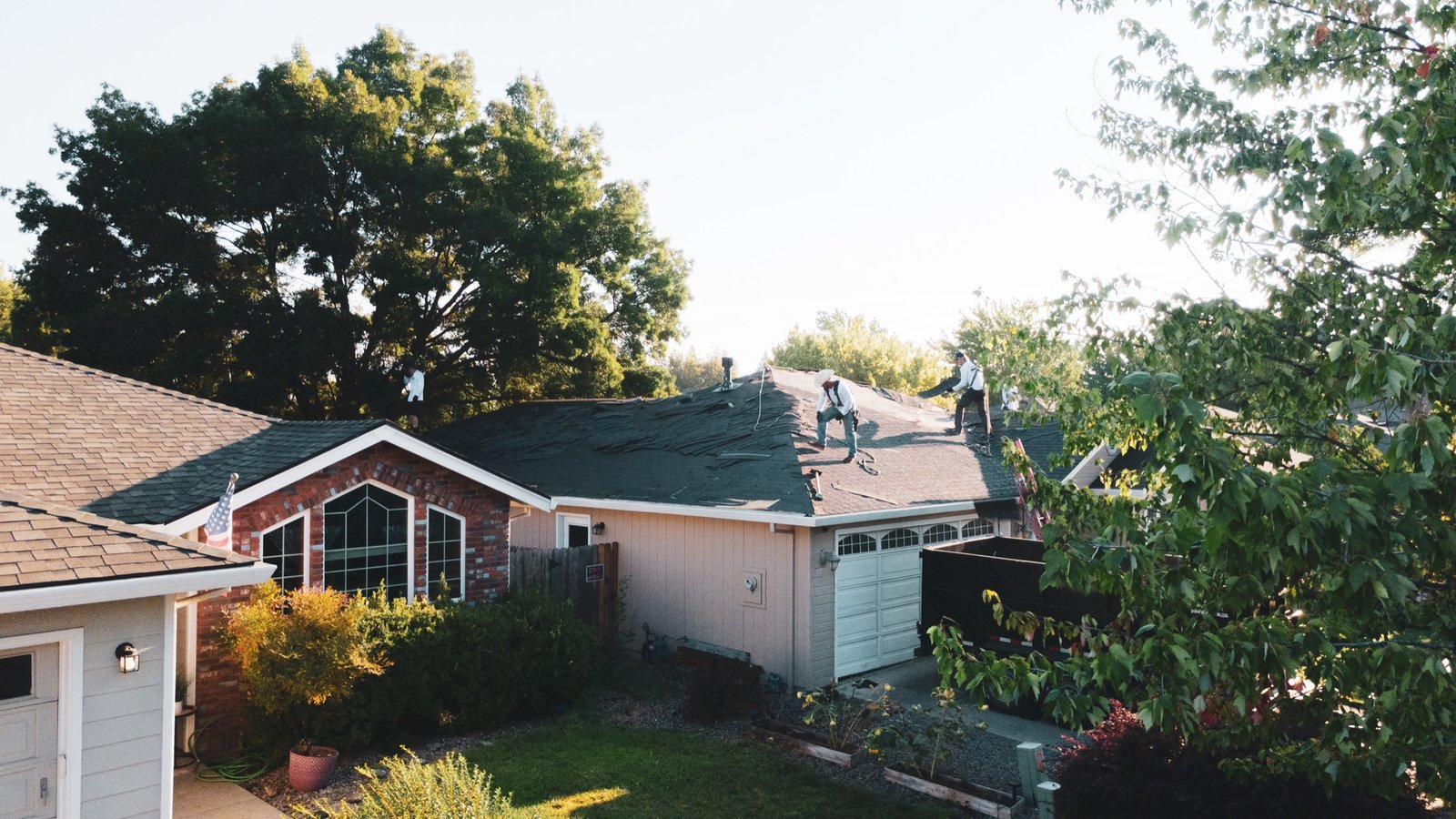
A starting point for planning
These examples help frame the budget conversation. Roof measurements, material choices, access, and existing conditions determine the estimate for your home.
$8,000–$14,000
Often smaller homes with straightforward rooflines and asphalt-shingle roofing systems.
$14,000–$20,000
A planning range for many residential replacements, with the final scope shaped by the roof itself.
$20,000–$29,000+
Larger roof areas, steep slopes, complex details, premium materials, or added repairs can increase the total.
Illustrative planning ranges, not quotes or a price guarantee. Some projects fall outside these examples; $29,000 is not a maximum. An inspection and roof measurements are needed to price your project.
Why estimates differ
Two homes with similar floor plans can need very different roofing work. House square footage alone does not measure the roof.
More roof surface generally means more roofing material and installation work. Pitch and overhangs also affect the measured area.
Steeper slopes, higher work areas, and restricted site access can change the labor and setup needed.
Valleys, dormers, chimneys, skylights, and transitions require careful detailing and add installation time.
Asphalt shingles typically cost less upfront than metal or specialty systems. Compare the complete system, not just the visible surface.
The existing roof must be removed and debris managed. Ask how removal and disposal are addressed in the estimate.
Damaged decking may be hidden until tear-off. Your estimate should explain how additional repairs are documented and priced.
The scope may include intake and exhaust ventilation, flashing, underlayment, and waterproofing details.
Gutters or solar-panel removal and reinstallation may need separate scope and scheduling. Ask what is included.
More than new shingles
Ask for a written scope that explains the work, materials, exclusions, and how unexpected conditions will be handled.
Explore roof replacement →Tear-off exposes the roof deck so its condition can be assessed before the new system is installed.
Identify damaged or deteriorated areas and clarify which repairs are included or require an approved change in scope.
Address underlayment, flashing, ventilation, and the other components required by the selected system.
Install the selected materials according to manufacturer specifications and the project’s roofing requirements.
Remove project debris and inspect the completed roof and surrounding work area.
Compare like for like
Before choosing an estimate, make sure you understand what each contractor is including. A useful comparison puts the scope beside the price.
Ask questions about anything that is unclear before work begins.
Choose the right scope
A roofing problem does not automatically mean you need a new roof. The condition of the whole system matters more than age alone.
An inspection can help identify the cause of the problem and whether a targeted repair can reasonably extend the roof’s life.
Planning for the work
Installation time depends on the project. A smaller, straightforward roof generally requires less work than a large roof with complex details. Your contractor should explain the anticipated schedule for your home.
Weather, material availability, roof pitch, site access, and repairs discovered during tear-off can affect the schedule. Ask about both the proposed start date and the expected installation duration.
This is a general planning guide, not a completion-date promise.
Payment options
Once you know the scope and price, you can compare ways to pay and decide what fits your situation.
Some homeowners pay for planned replacement with savings or other available funds. Review the project’s payment schedule before agreeing to the work.
Financing can spread payments over time. Eligibility, rates, repayment terms, and total borrowing cost depend on the lender and applicant.
Subject to credit approval and the lender’s terms.
Explore roof financing →If damage may relate to an insured event, ask your insurer about the policy and claim process. Normal aging and wear are different from event-related damage.
Coverage and payment are determined by your policy and insurer. Roofing work does not guarantee an approved claim.
Homeowner experiences
Cost is part of the decision. Communication, preparation, and cleanup matter, too. Watch interviews with Mel G., Robin B., and Linda S., and follow individual customer reviews on Google and Yelp.
Read Reviews & Watch InterviewsRoof replacement FAQ
The illustrative ranges above are $8,000–$14,000 for smaller, simpler roofs; $14,000–$20,000 for mid-size roofs; and $20,000–$29,000 or more for larger or complex projects. These are planning examples, not quotes. Measurements, materials, access, and roof condition determine your estimate.
A limited repair usually involves less work upfront. But repeated repairs to a deteriorating roof may not offer good long-term value. An inspection helps determine whether the problem is isolated or part of a wider roofing issue.
Ask your insurer whether the cause of damage is covered under your policy. Coverage, deductibles, and payment depend on the policy and claim determination. A roof’s age or ordinary wear alone does not establish coverage.
Third-party financing may be an option. Approval, available rates, payment amounts, and repayment terms depend on the lender and applicant. Review the full terms and total cost before choosing a financing plan.
There is no single useful-life figure for every roof. The product, installation quality, ventilation, maintenance, and weather exposure all matter. An inspection can help assess your roof’s current condition; age alone does not decide whether it needs replacement.
Metal generally has a higher upfront cost than asphalt shingles. Compare the complete installed system, the roof’s complexity, maintenance considerations, and written warranty terms rather than material price alone.
They may use different materials, repair allowances, ventilation plans, or cleanup and disposal scopes. Compare the written inclusions and exclusions, and ask each contractor to explain any gap before comparing the final totals.
Some decking problems are concealed by the old roof. Ask before work starts how discoveries will be documented, how additional repairs are priced, and how a change in scope will be approved.
Have your property address, leak locations, approximate roof age if known, and details of earlier repairs ready. Mention solar panels, access restrictions, and related work. You do not need to climb onto the roof or take your own roof measurements.
Your next step
OSR provides free roof inspections and estimates for homeowners across Medford, Ashland, Central Point, Grants Pass, Jacksonville, and surrounding Southern Oregon communities. Start with your roof, your questions, and a clear scope of work.