Licensed & insured · Southern Oregon roofing · CCB #260050
Licensed & insured · Southern Oregon roofing · CCB #260050
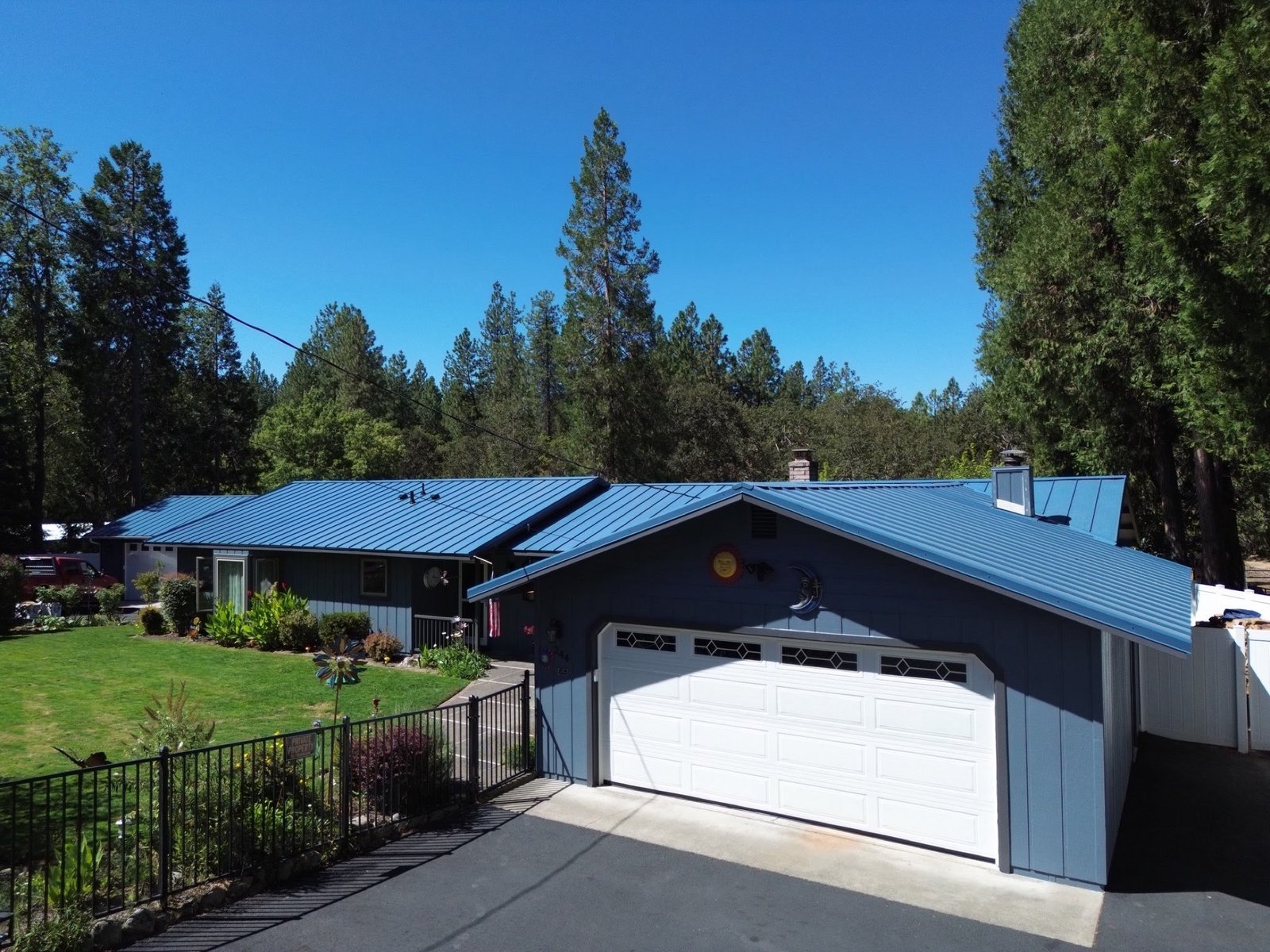
Fire-resistant roofing
No roof is fireproof. Thoughtful material choices, assembly details, edge conditions, and maintenance can still help reduce vulnerability to embers and wildfire exposure.
01
The conversation includes materials, vents, edges, penetrations, debris collection, gutters, and nearby conditions.
02
We discuss fire resistance and risk reduction without promising that any product or assembly can eliminate wildfire risk.
03
Recommendations depend on the existing structure, roof design, confirmed scope, and the priorities you bring to the project.
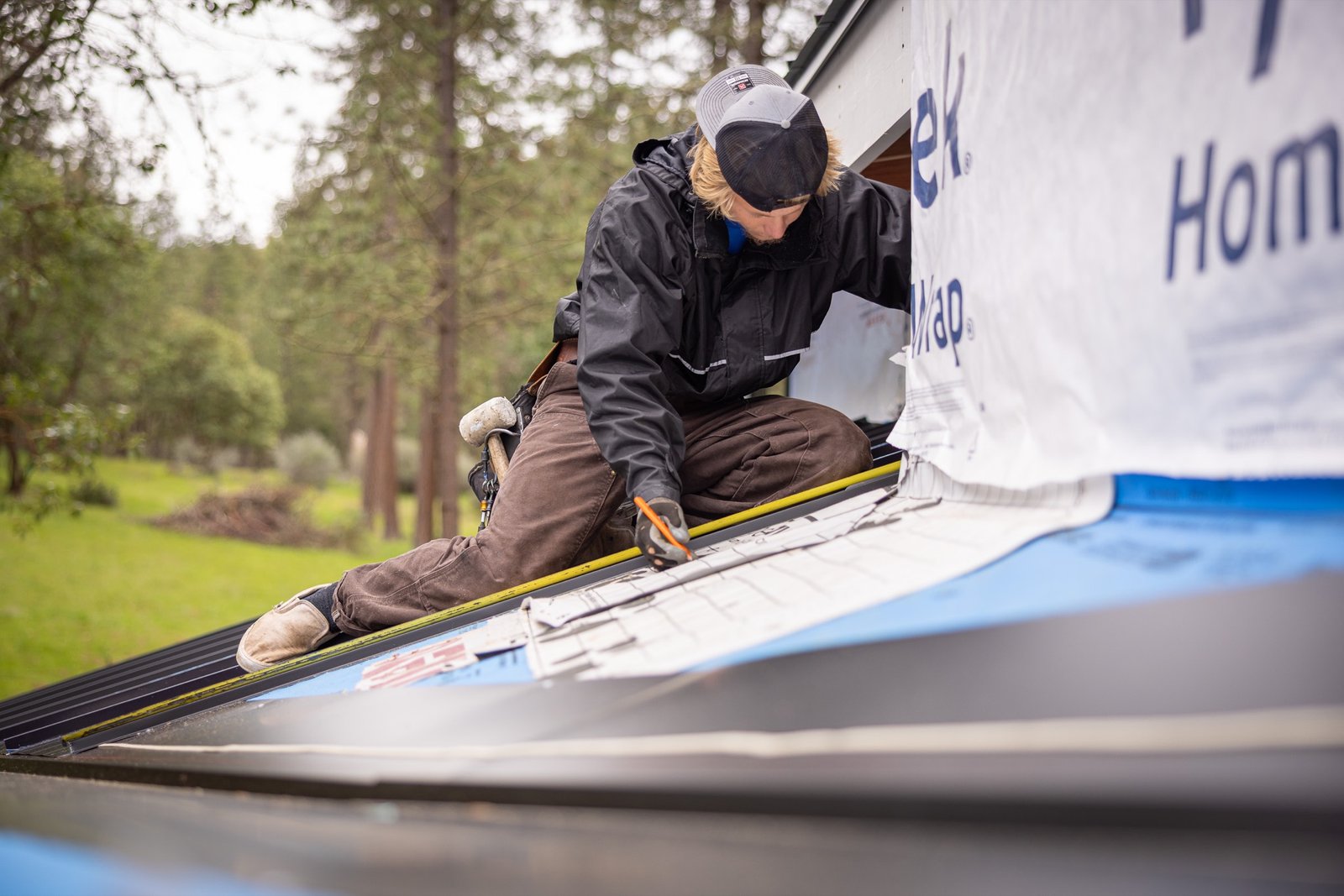
“The goal is not to make the decision for you. It is to make the roof understandable enough that you can make it.”
THE OSR APPROACH
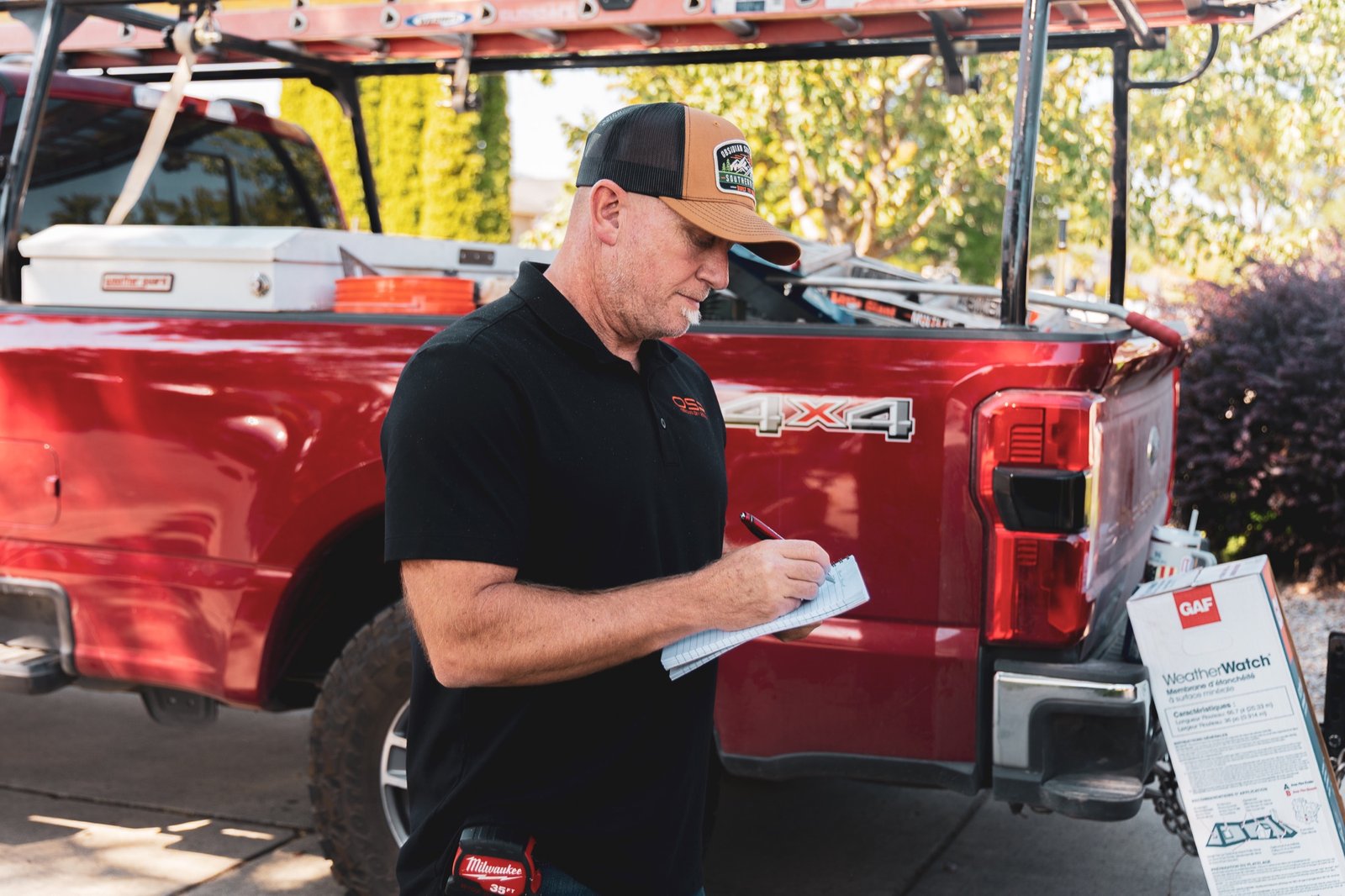
What the work needs to solve
No roof is fireproof. Thoughtful material choices, assembly details, edge conditions, and maintenance can still help reduce vulnerability to embers and wildfire exposure.
01
Appropriate products can be discussed by classification, compatibility, appearance, and the needs of the home.
02
The perimeter and changes in roof geometry can collect debris or expose vulnerable details if not thoughtfully planned.
03
Openings are part of the building system. Options and limitations should be considered within the verified project scope.
04
A resilient roof still needs debris management and broader property maintenance. Roofing is one part of wildfire-conscious planning.
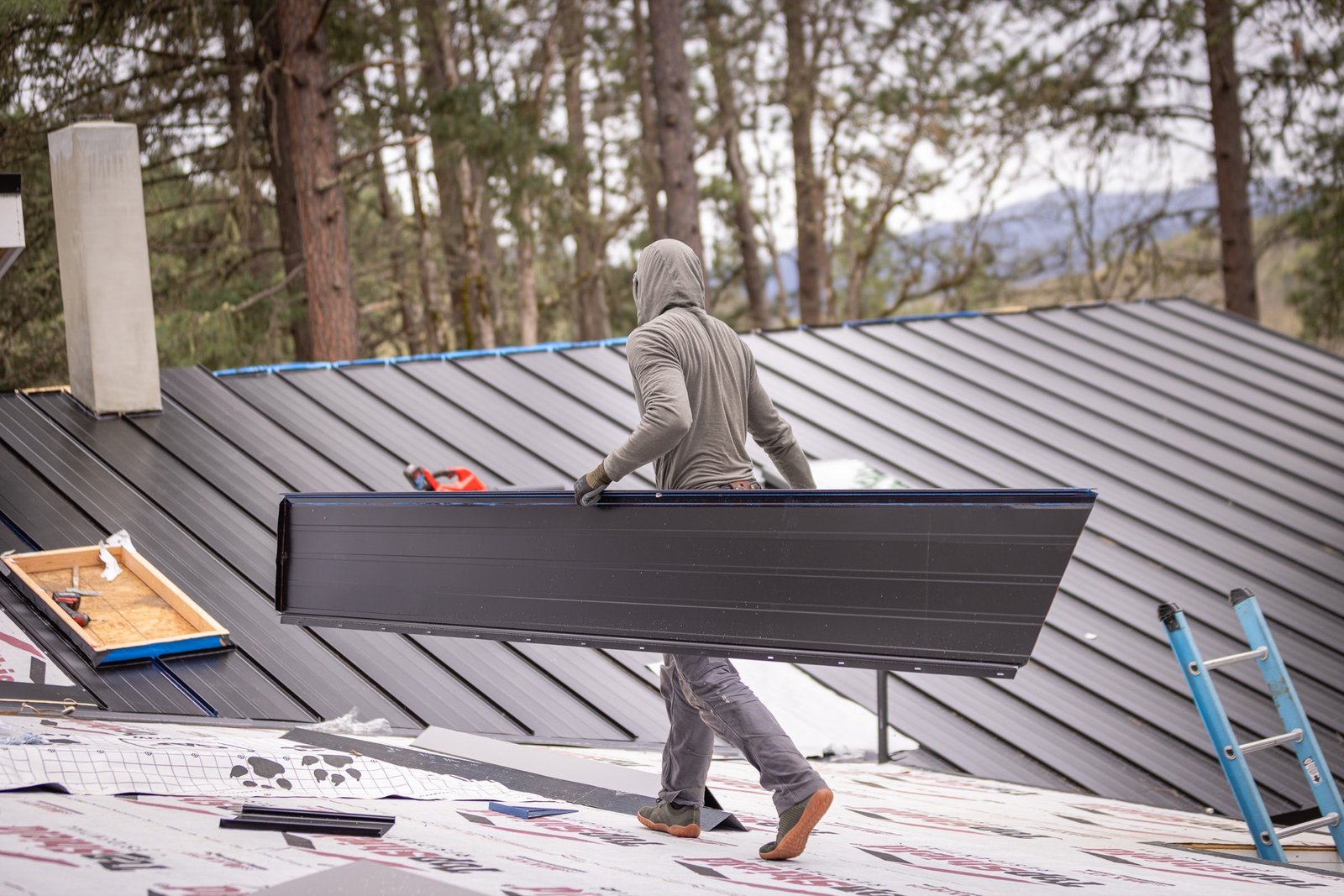
When to call
Replacement is the natural time to evaluate appropriate materials and assembly details together.
Combustible debris can change how the roof and surrounding components respond to ember exposure.
Openings and transitions deserve attention as part of a broader resilience conversation.
Product labels are useful, but they need to be understood in the context of the complete assembly and installation.
From first call to final walk-through
You should know what is happening, why it matters, and what comes next. We keep decisions visible throughout the work.
01
We discuss the current assembly, surrounding conditions, roof geometry, debris patterns, and the reason you are considering changes.
02
Material, assembly, edge, drainage, and maintenance choices are organized around the home and confirmed budget.
03
The proposal explains what OSR will install and avoids suggesting services, certifications, or guarantees outside that scope.
04
The crew follows the confirmed roofing plan and communicates changed conditions that could affect details or scope.
05
Closeout includes practical reminders about debris, gutters, visible changes, and when to request another review.
Common questions
If your question is specific to your house, the most useful answer usually starts with seeing the roof in person.
No. Fire-resistant materials and assemblies can help reduce vulnerability, but no roof or structure is immune to wildfire, radiant heat, flame contact, or wind-driven embers.
No. Roof edges, vents, penetrations, attached components, accumulated debris, nearby vegetation, and building details all influence exposure.
Not necessarily. Appropriate options depend on the home, product classifications, assembly, design, and project goals. We explain relevant choices without presenting one material as a universal answer.
OSR does not represent coatings or treatments as making a roof fireproof. Any product claim should be reviewed against verified manufacturer information and the actual roof assembly.
No. Roofing is one part of a broader risk-reduction approach. Property owners should also consider local guidance for vegetation, access, maintenance, and other building components.
Clear guidance. No pressure.
Tell us what you are seeing. We will help you understand the condition, the options, and the next sensible step.