Licensed & insured · Southern Oregon roofing · CCB #260050
Licensed & insured · Southern Oregon roofing · CCB #260050
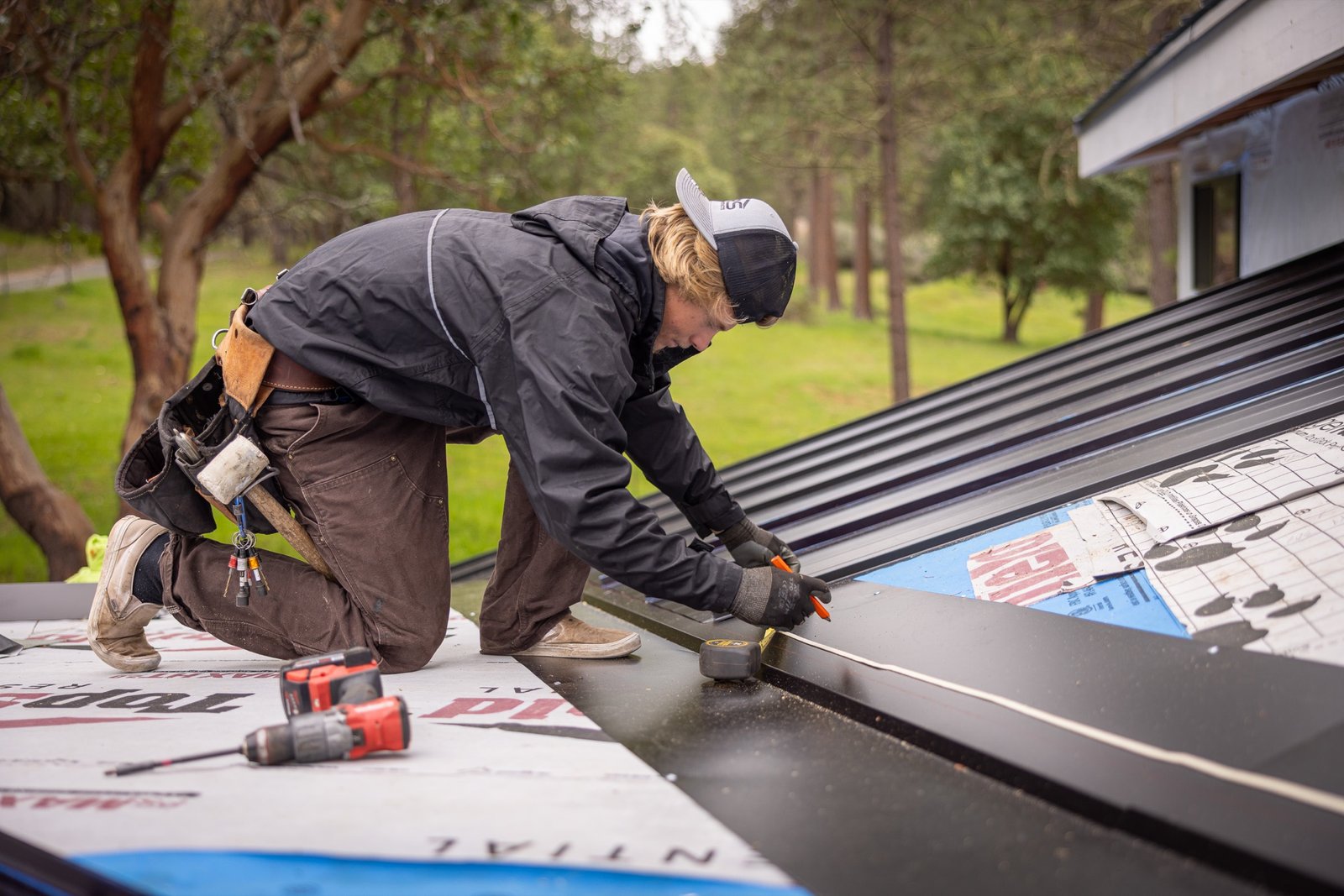
Roof repair
01
The inspection follows the water path and checks nearby penetrations, flashings, transitions, and material damage before a repair is proposed.
02
When a localized repair is a reasonable option, we keep the scope focused. When the issue is broader, we explain why.
03
Repairs have context and limitations. We tell you what the work is intended to address and what should still be watched.
What the work needs to solve
01
We gather the history, inspect accessible exterior and interior clues, and document the most likely entry points.
02
Damaged roofing and related components are repaired or replaced only within the confirmed scope and compatible conditions.
03
Where failure centers on a wall, vent, valley, or penetration, the repair must address how water moves through that detail.
04
We explain what the repair addressed, what was outside the scope, and what signs should prompt another call.
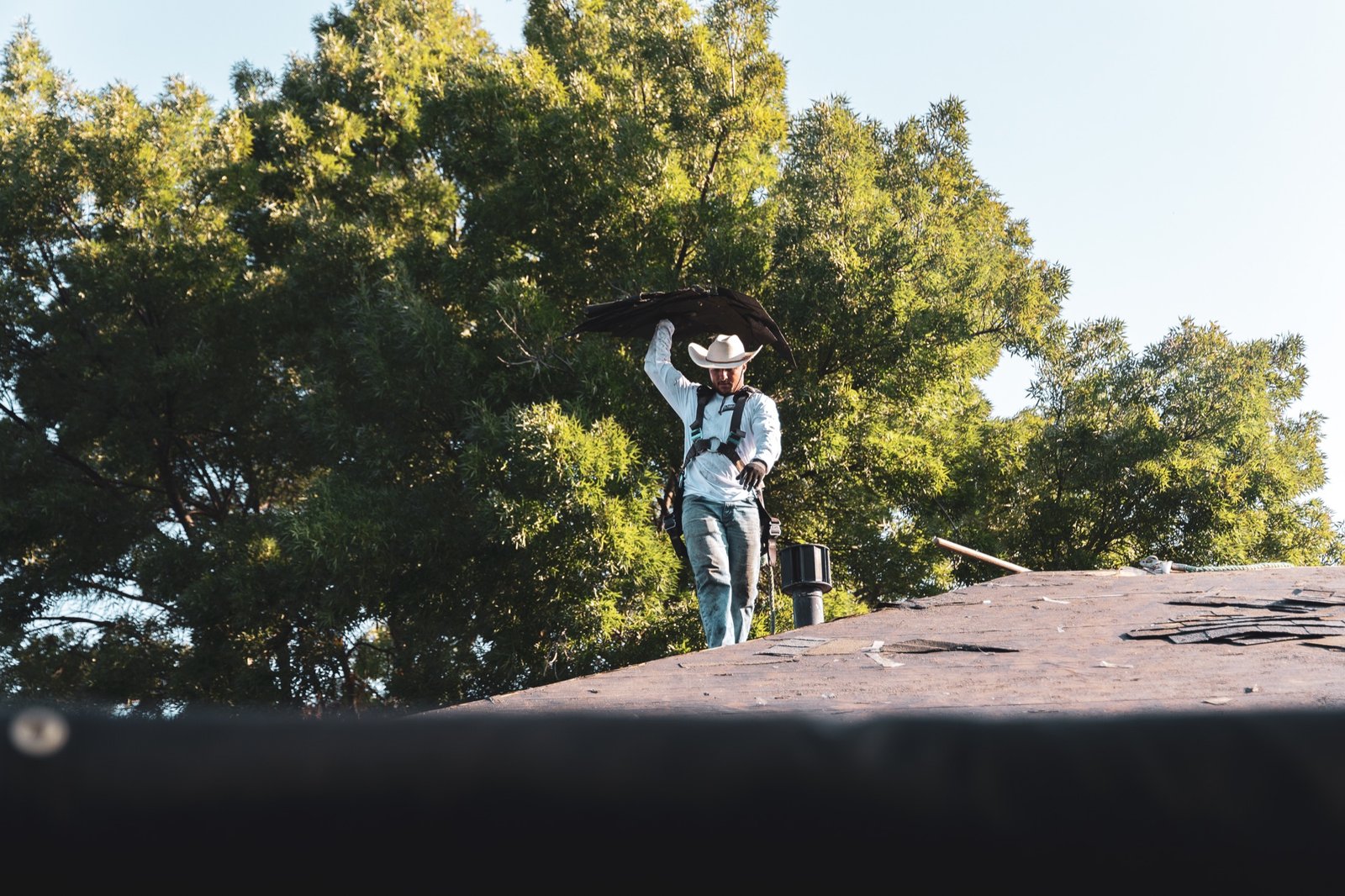
When to call
Timing, weather direction, attic conditions, and the stain location help guide the inspection.
Wind and debris can expose fasteners or underlayment and allow water into places that are not obvious from the ground.
Chimneys, walls, vents, skylights, and other changes in the roof plane are frequent sources of localized failure.
Impact can affect more than the visible top layer. A closer review helps define a safe, useful repair scope.
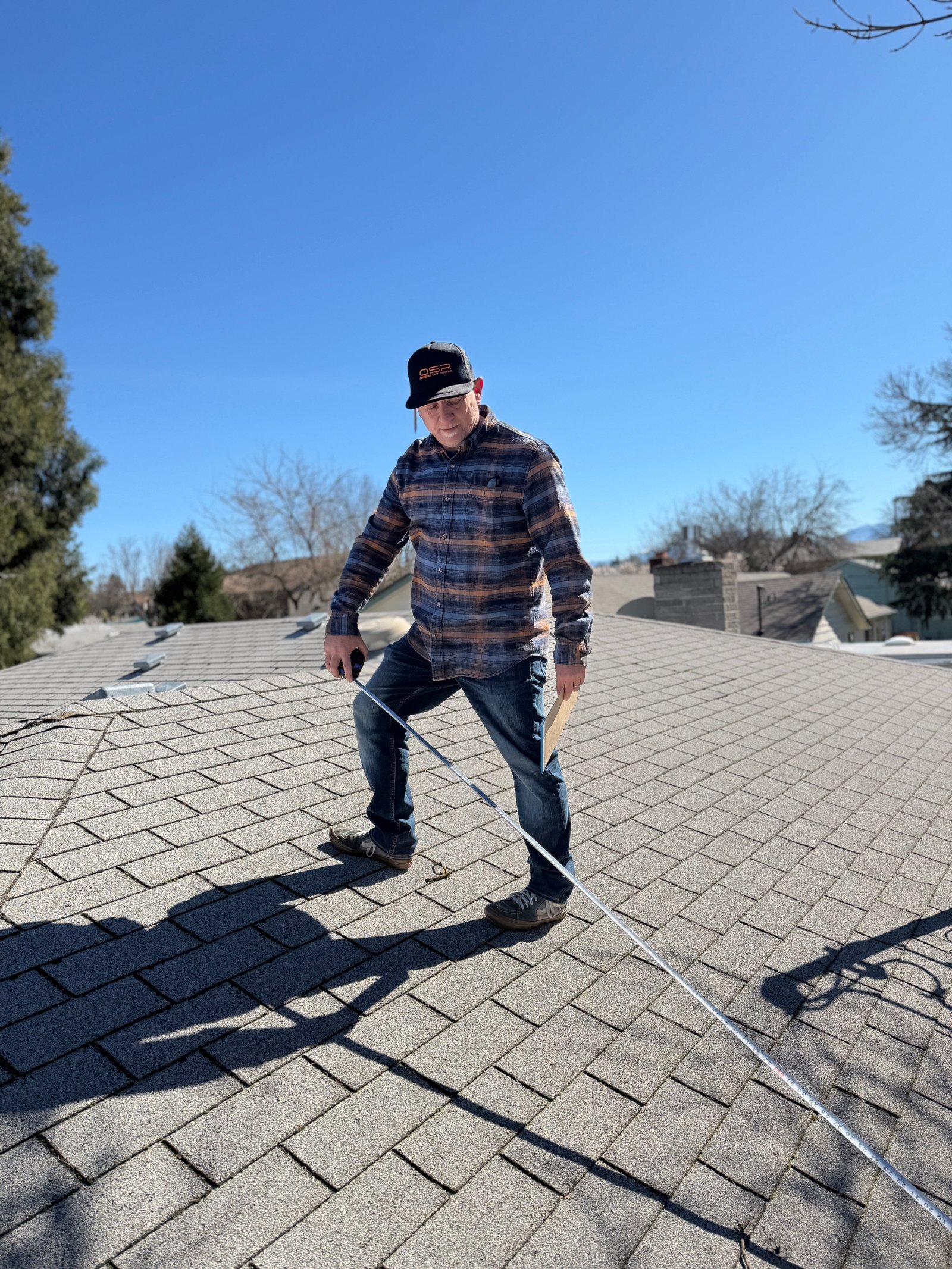
“The goal is not to make the decision for you. It is to make the roof understandable enough that you can make it.”
THE OSR APPROACH
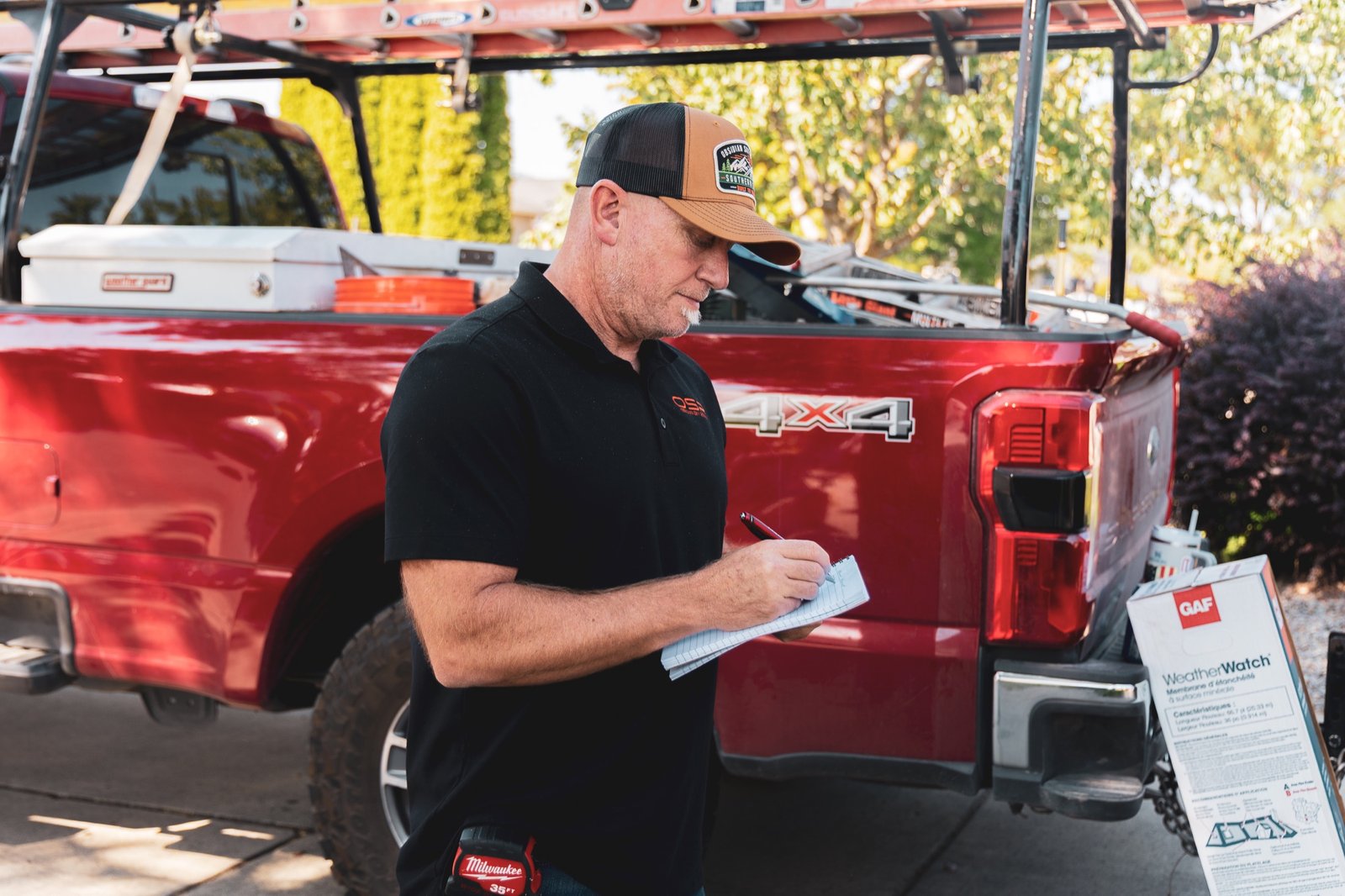
From first call to final walk-through
You should know what is happening, why it matters, and what comes next. We keep decisions visible throughout the work.
01
We ask when the problem appears, where it shows inside, and what repairs or changes have already occurred.
02
The roof and accessible related areas are reviewed, with photos of visible conditions and attention to how water could travel.
03
You receive a repair recommendation when the problem appears local, or a clear explanation when broader deterioration changes the decision.
04
The crew protects the work area, completes the authorized repair, and keeps the site orderly.
05
We explain what was changed and identify any areas that deserve monitoring or future planning.
Common questions
If your question is specific to your house, the most useful answer usually starts with seeing the roof in person.
Many leaks come from localized failures and can be addressed with a focused repair. Widespread deterioration, incompatible materials, unsafe access, or repeated failures can make repair less reliable.
Water can follow decking, framing, underlayment, wiring, or insulation before it becomes visible. That is why the stain location is a clue rather than a complete diagnosis.
We work toward compatible materials and a responsible repair, but weathering and product availability can make an exact color or texture match impossible. We explain visible expectations before work.
The choice depends on remaining condition, the size and location of the problem, prior repairs, and your plans for the home. We compare the practical tradeoffs instead of using age as the only rule.
OSR does not represent 24/7 emergency availability. Call during business hours so the team can understand the situation and discuss the next available step.
Clear guidance. No pressure.
Tell us what you are seeing. We will help you understand the condition, the options, and the next sensible step.