Licensed & insured · Southern Oregon roofing · CCB #260050
Licensed & insured · Southern Oregon roofing · CCB #260050
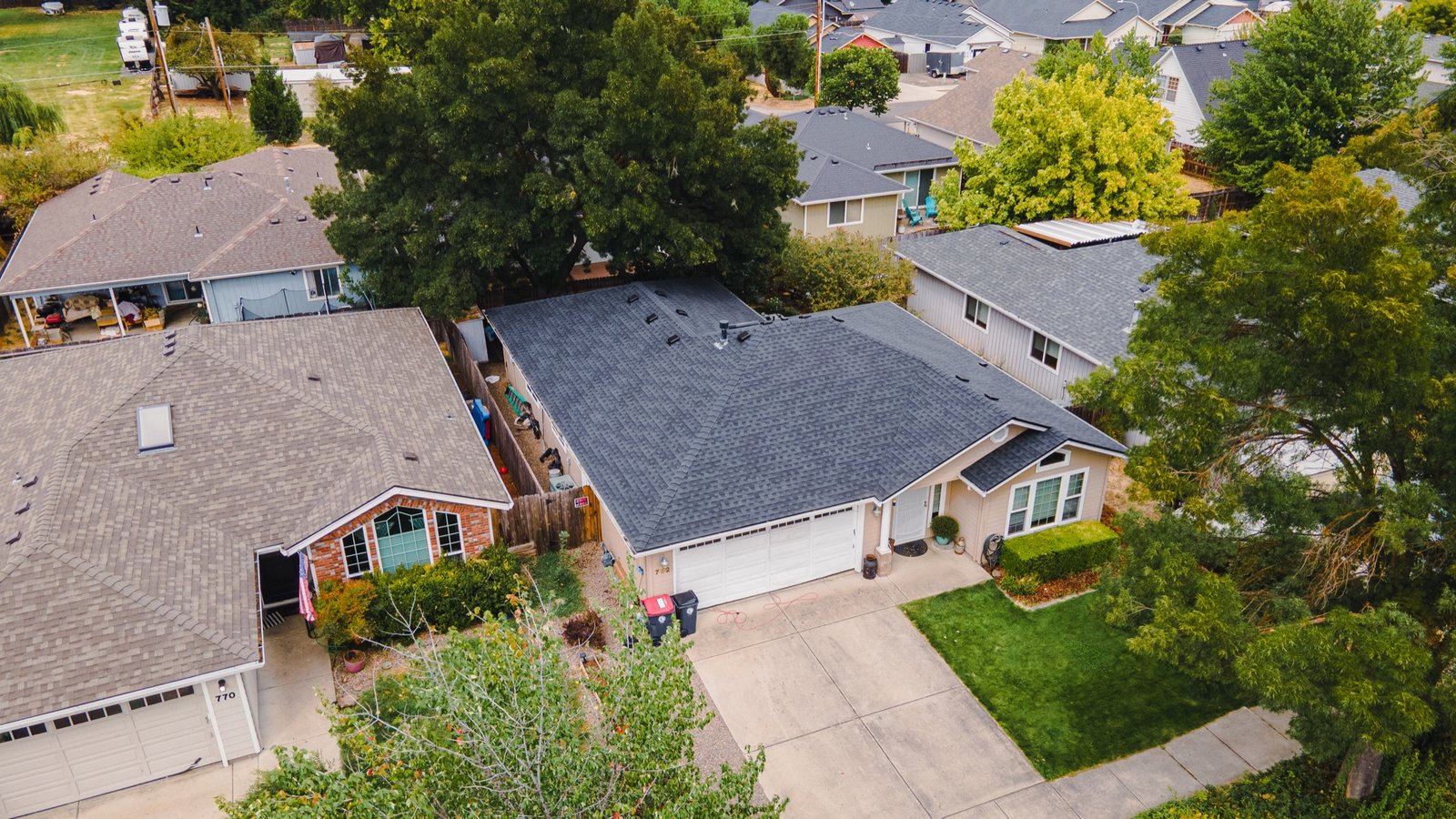
Roof replacement
01
We look beyond the field shingles to the transitions, penetrations, ventilation, decking, edges, and water-shedding details that affect long-term performance.
02
We explain what we found, what the proposed scope includes, and where choices in material or project details change the outcome.
03
Preparation, landscaping protection, daily cleanup, magnetic sweeps, and a final walk-through are part of how the work is delivered.
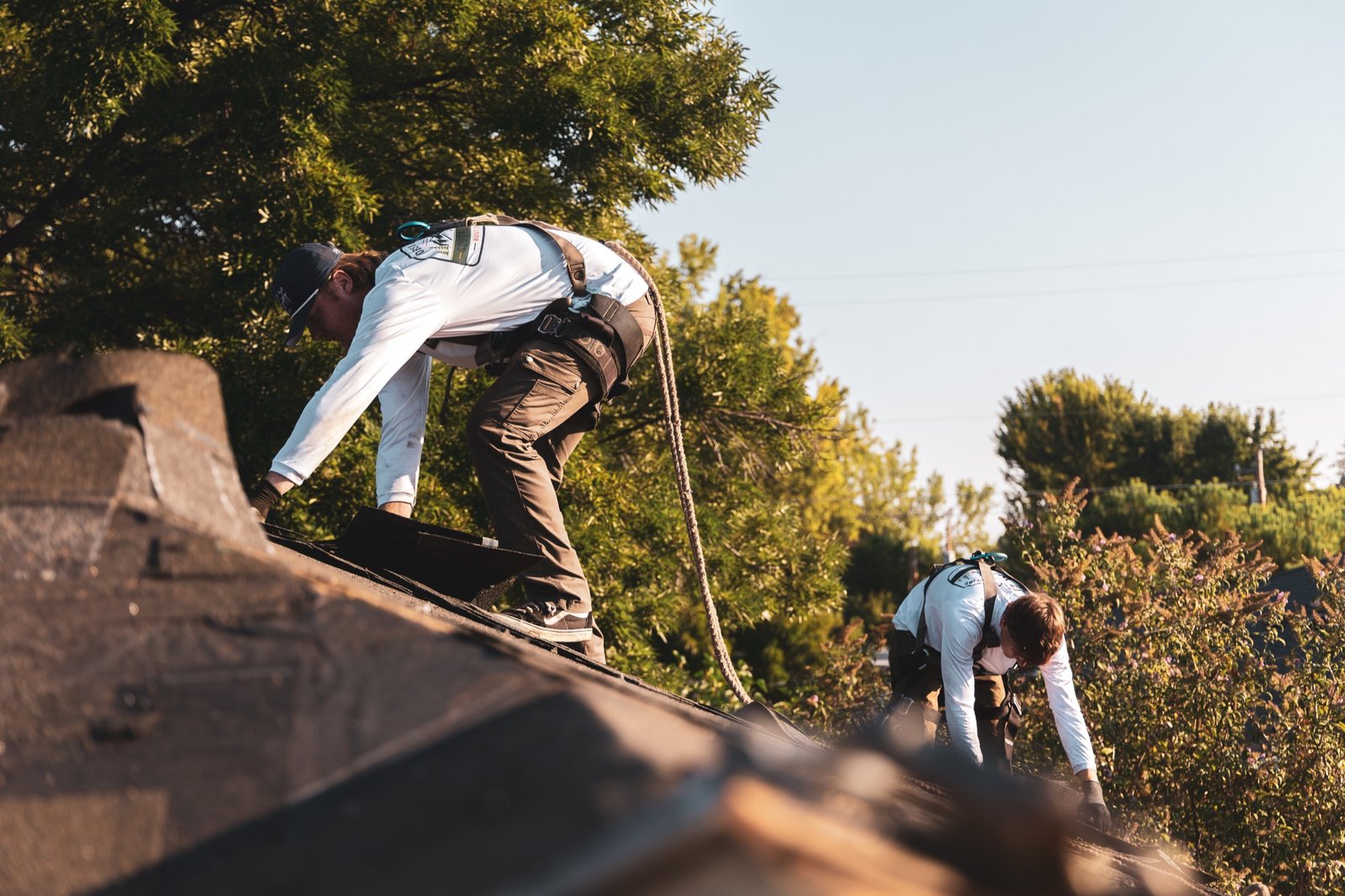
When to call
Repeated repairs can signal that the roof is failing as a system rather than at one isolated detail.
Curling, cracking, exposed mat, missing material, and age-related deterioration can reduce reliable service life.
Soft areas, trapped moisture, and inadequate airflow need to be understood before new roofing is installed.
Selling, remodeling, adding solar, or planning for wildfire-conscious materials can make replacement timing part of a larger plan.
What the work needs to solve
01
Existing materials are removed as scoped so visible deck conditions can be evaluated. Any changed conditions are documented and discussed before added work proceeds.
02
03
Intake and exhaust conditions are reviewed as part of the assembly. Ventilation recommendations depend on the home and confirmed project scope.
04
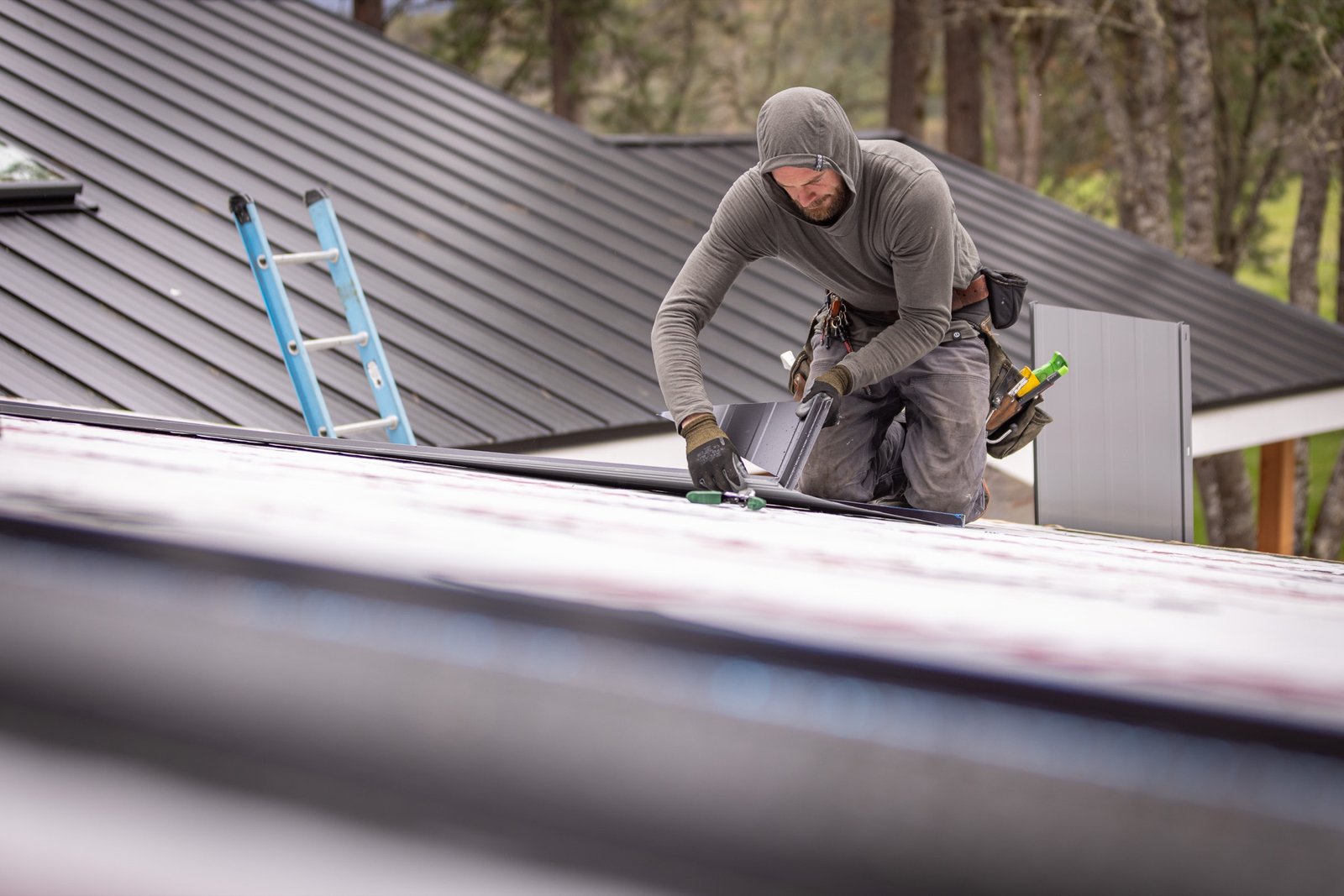
The finish material matters, but so do starter courses, ridge details, drip edge, gutters, and the transitions that complete the system.
“The goal is not to make the decision for you. It is to make the roof understandable enough that you can make it.”
THE OSR APPROACH
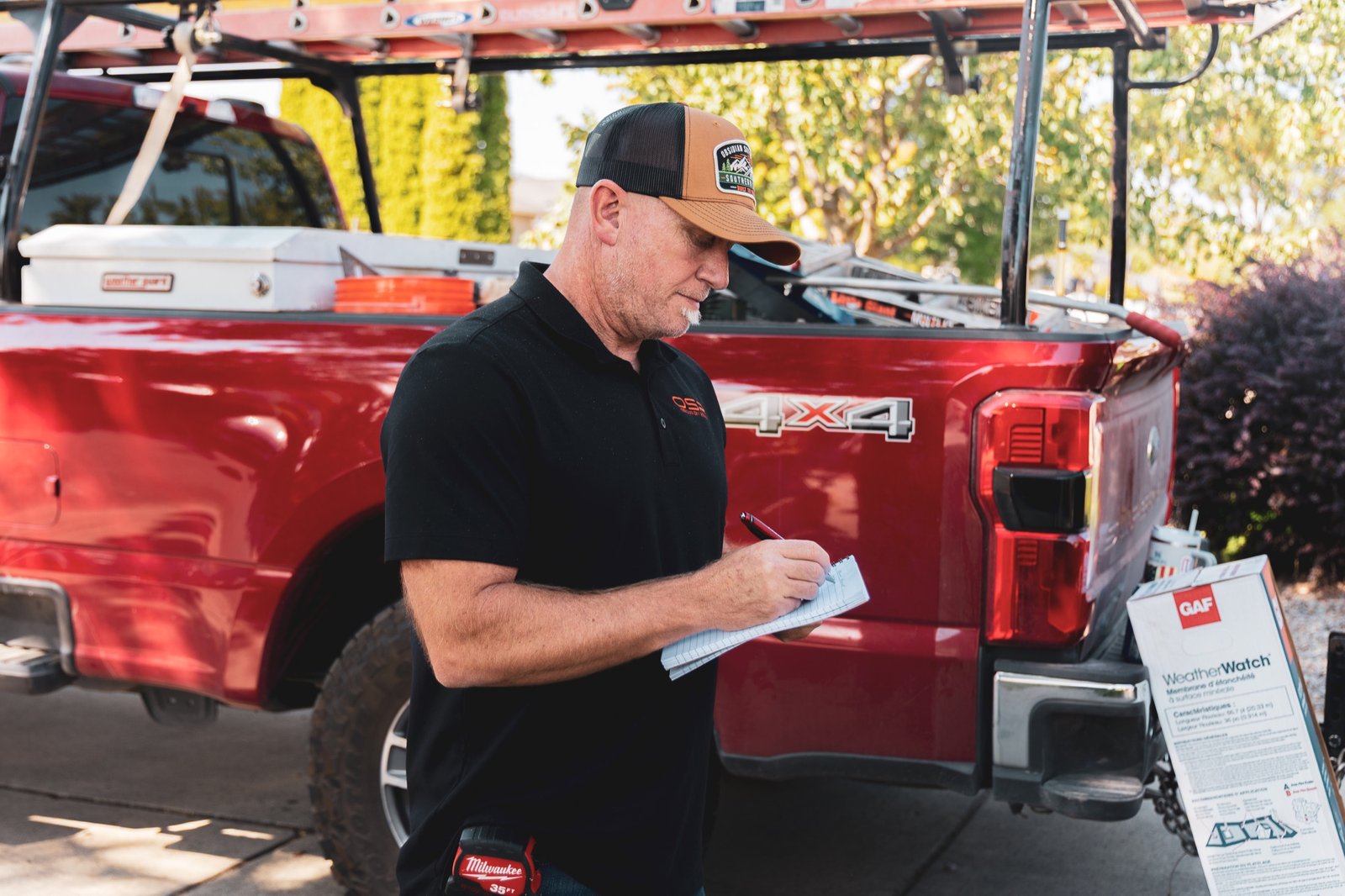
From first call to final walk-through
You should know what is happening, why it matters, and what comes next. We keep decisions visible throughout the work.
01
We discuss the roof history, inspect visible conditions, photograph key findings, and decide whether replacement is actually the responsible recommendation.
02
You receive a written plan that identifies materials, known conditions, access, protection, related work, and the decisions still open to you.
03
Before tear-off, the crew establishes access, protects vulnerable areas, confirms staging, and explains what daily work will look like.
04
The roof system is built to the confirmed scope. If concealed conditions change the plan, you hear about them before extra work moves forward.
05
The site is cleaned, the completed work is reviewed, and the closeout conversation covers documentation and practical care.
Common questions
If your question is specific to your house, the most useful answer usually starts with seeing the roof in person.
Age alone does not answer the question. We look at the extent of wear, number and location of failures, deck condition, repair history, and how long a focused repair is reasonably expected to help.
Size is only the starting point. Slope, access, tear-off layers, material, flashings, ventilation, decking, roof complexity, gutters, solar coordination, and site protection all affect the scope.
Yes. We explain appropriate options for the home and project priorities, including appearance, performance, maintenance, and wildfire-conscious considerations where relevant.
Conditions hidden beneath the roof cannot always be confirmed before tear-off. The proposal should explain how changed conditions are documented, communicated, and approved before added work.
They can be discussed during planning when they are part of the confirmed scope. Solar work is limited to specifically verified removal and reinstallation services and does not imply unlisted electrical or design work.
Clear guidance. No pressure.
Tell us what you are seeing. We will help you understand the condition, the options, and the next sensible step.