Licensed & insured · Southern Oregon roofing · CCB #260050
Licensed & insured · Southern Oregon roofing · CCB #260050
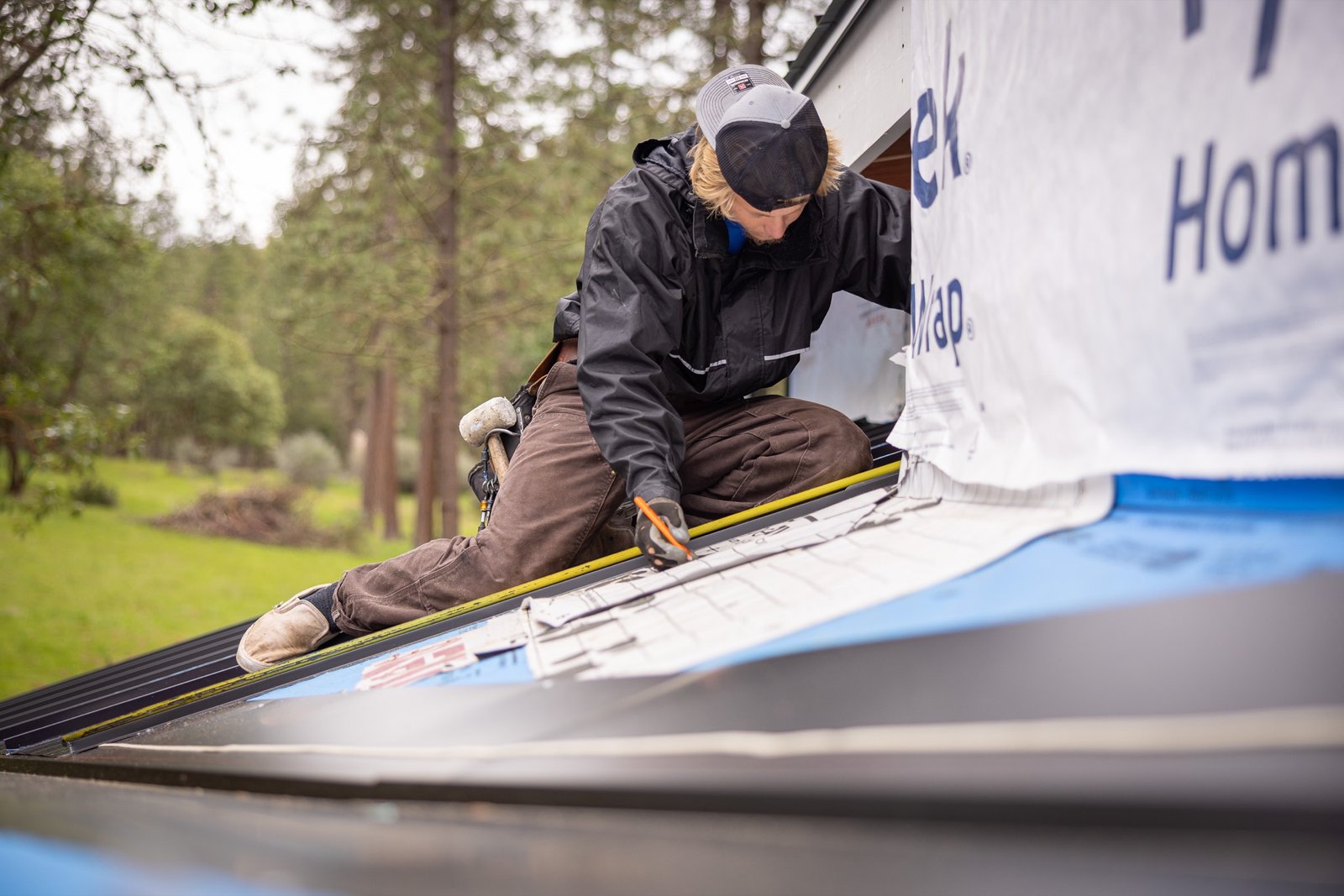
Gutter systems
The roof collects and sheds water. Gutters, outlets, and downspouts need to carry that water away without overflowing onto fascia, siding, walkways, or landscaping.
01
Runs, outlets, attachment, and roof-edge details are considered together instead of treating the gutter as a decorative add-on.
02
We discuss where water should discharge and where downspouts, grade, or surrounding conditions may need broader planning.
03
When replacement or repair is already planned, gutter scope can be sequenced with the work at the roof edge.
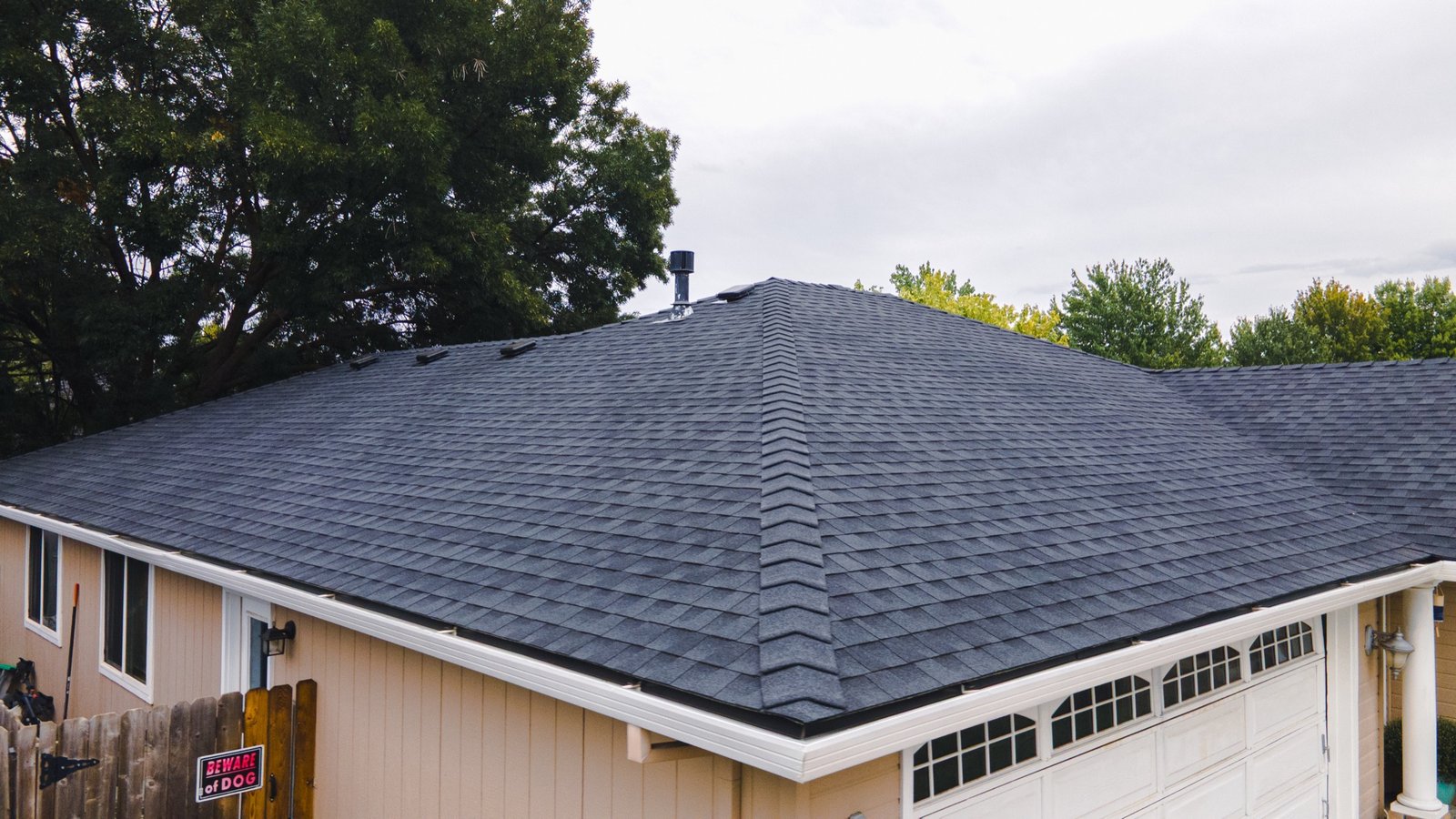
When to call
Clogs, insufficient capacity, poor slope, or limited outlets can send water over the edge.
Loose attachment and failed seams can prevent the run from carrying water as intended.
Water marks can point to overflow, leakage, missing edge details, or problems beyond the gutter itself.
It is a good time to decide whether existing gutters can remain, need protection, or should be included in the larger project.
“The goal is not to make the decision for you. It is to make the roof understandable enough that you can make it.”
THE OSR APPROACH

What the work needs to solve
The roof collects and sheds water. Gutters, outlets, and downspouts need to carry that water away without overflowing onto fascia, siding, walkways, or landscaping.
01
Lengths, slope, outlet locations, and roof drainage patterns shape how the gutter handles water.
02
Discharge points should move water away from vulnerable areas, while recognizing that site drainage and grading are separate considerations.
03
The surface supporting the gutter must be reviewed so damaged or unsuitable areas are not simply covered.
04
Trees, roof geometry, valleys, and debris patterns influence how often the system should be checked and cleaned.
From first call to final walk-through
You should know what is happening, why it matters, and what comes next. We keep decisions visible throughout the work.
01
We review where the roof concentrates runoff and what is happening at current outlets and discharge areas.
02
Visible fascia, attachment points, existing gutters, and nearby roofing details are checked before scope is finalized.
03
Runs, outlets, downspouts, removal, protection, and coordination with roof work are documented.
04
The team completes the gutter work with attention to alignment, attachment, outlets, and cleanup.
05
You see how the system is intended to move water and what maintenance or broader site conditions still deserve attention.
Common questions
If your question is specific to your house, the most useful answer usually starts with seeing the roof in person.
No. Existing gutter condition, attachment, roof-edge details, and project access determine whether replacement is useful. We explain the coordination options before work.
Gutters can collect and direct roof runoff, but grading, drains, soil, discharge locations, and site conditions also matter. A gutter system is not a guarantee against every drainage problem.
The right frequency depends on nearby trees, roof geometry, weather, and how quickly debris collects. Check more often where valleys or overhanging vegetation feed debris into the system.
Visible support conditions are reviewed when the scope is built. Any fascia or related work must be specifically documented rather than assumed.
Slope, outlet size, run length, roof concentration, hidden blockage, and intense rainfall can all contribute. The useful solution starts with observing how the whole path is working.
Clear guidance. No pressure.
Tell us what you are seeing. We will help you understand the condition, the options, and the next sensible step.