Licensed & insured · Southern Oregon roofing · CCB #260050
Licensed & insured · Southern Oregon roofing · CCB #260050
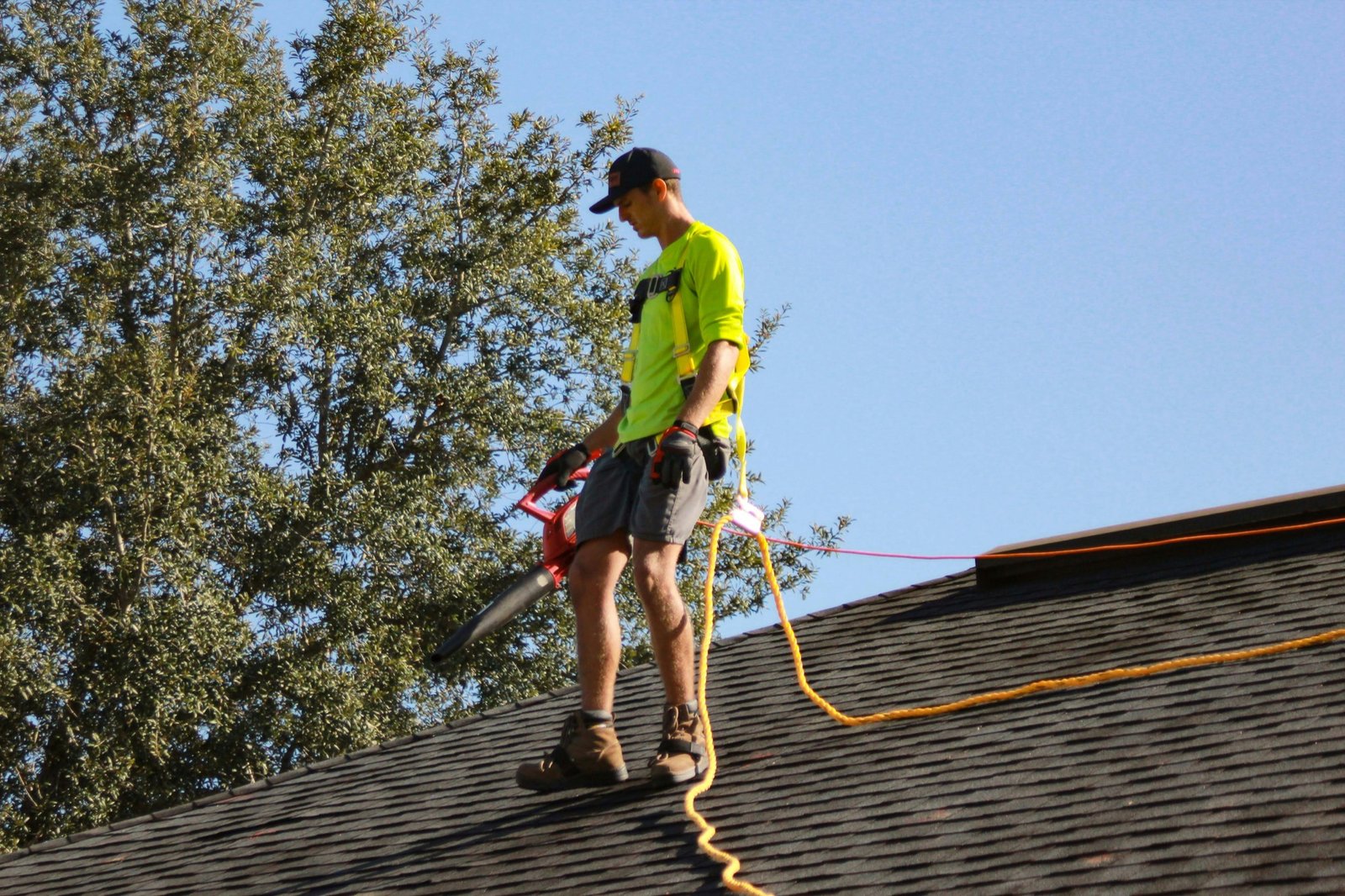
Roof maintenance
Southern Oregon roofs move through heat, rain, wind, leaves, needles, and seasonal change. Maintenance creates a regular moment to catch debris and vulnerable details before they become a surprise.
01
Small changes are easier to evaluate before interior damage or widespread deterioration complicates the decision.
02
Maintenance separates cleaning and minor attention from repairs that deserve a dedicated scope.
03
Documented visits help owners understand what has changed over time and plan future work with fewer surprises.
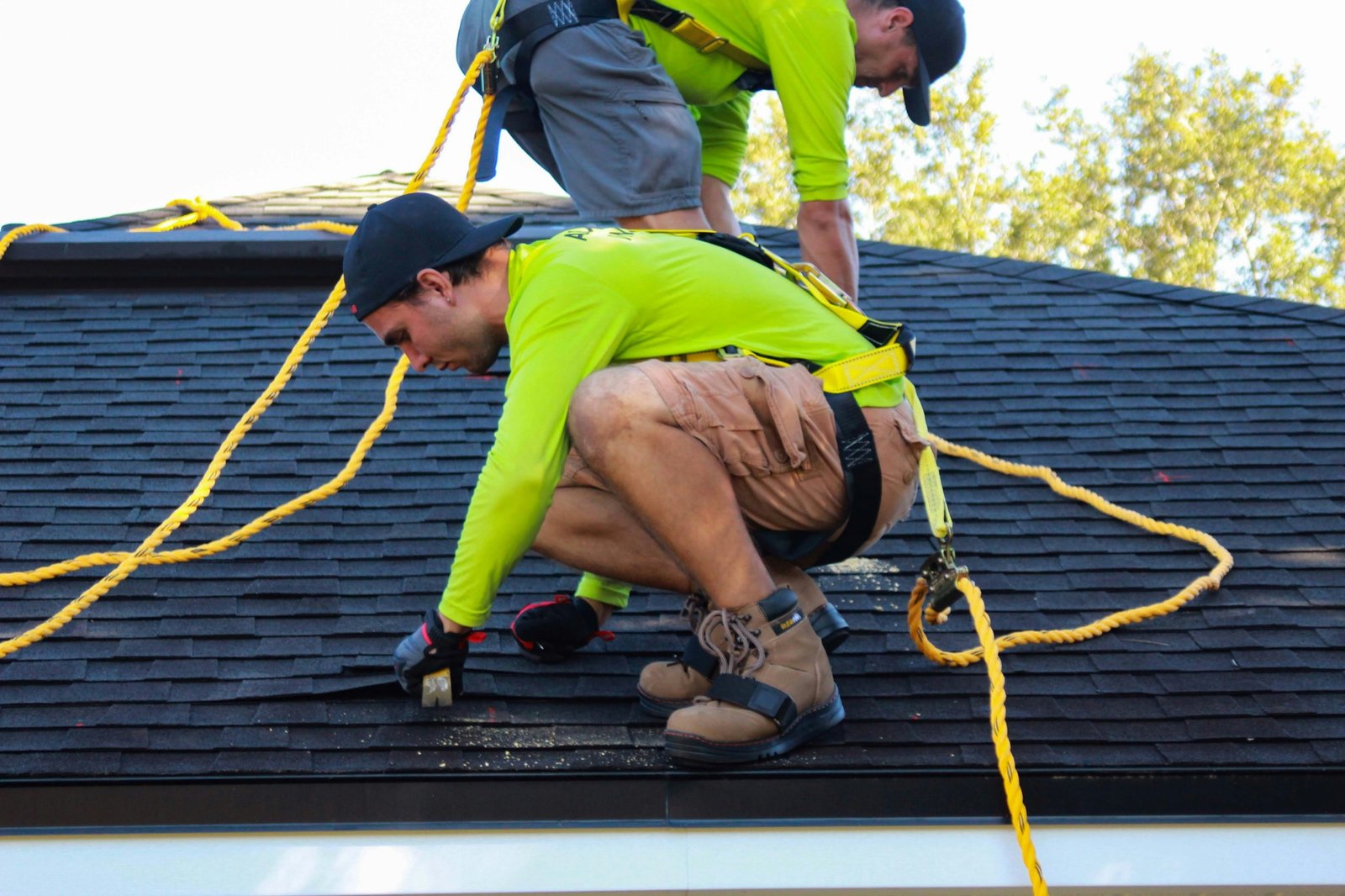
When to call
Leaves and needles can hold moisture, obstruct flow, and hide details that need to remain visible.
Some roof components and penetrations need periodic review even when the main covering remains serviceable.
Overflow and backed-up debris can affect fascia, roof edges, siding, and how water leaves the property.
A baseline review can identify immediate needs, routine care, and watch points for the next cycle.
What the work needs to solve
Southern Oregon roofs move through heat, rain, wind, leaves, needles, and seasonal change. Maintenance creates a regular moment to catch debris and vulnerable details before they become a surprise.
01
Accessible roof surfaces, transitions, flashings, penetrations, and drainage areas are checked for change or damage.
02
Confirmed maintenance can address appropriate debris accumulation while recognizing safe-access and site limitations.
03
When a condition needs more than routine maintenance, we explain why a separate repair recommendation is appropriate.
04
The closeout notes what was addressed and which conditions should be revisited after weather, tree work, or another season.
“The goal is not to make the decision for you. It is to make the roof understandable enough that you can make it.”
THE OSR APPROACH
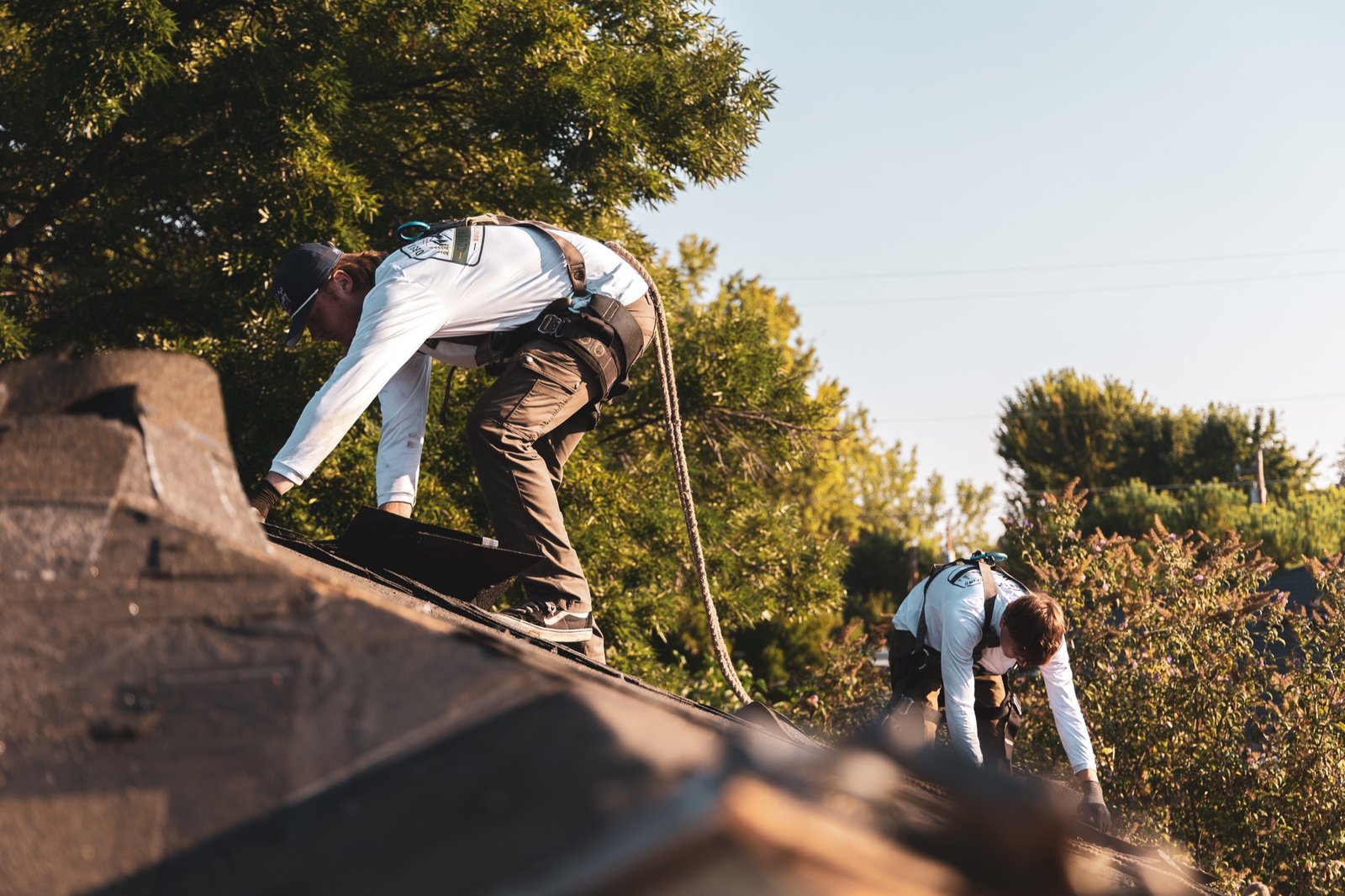
From first call to final walk-through
You should know what is happening, why it matters, and what comes next. We keep decisions visible throughout the work.
01
We ask about age, material, prior work, trees, leaks, solar, and the conditions that prompted the visit.
02
Accessible surfaces, roof details, valleys, and gutter conditions are evaluated for debris and visible change.
03
Routine care, focused repairs, and longer-term watch items are separated so every observation does not become a sales pitch.
04
The crew performs the confirmed work and communicates any condition that changes the expected scope.
05
You receive practical notes about what was done, what remains, and when another look may make sense.
Common questions
If your question is specific to your house, the most useful answer usually starts with seeing the roof in person.
Timely care can reduce avoidable damage and help address vulnerable details earlier, but it cannot reverse age or guarantee a particular lifespan. Roof condition and material history still matter.
No. Maintenance focuses on routine care and observation. A damaged or failed component may need a separate repair scope with materials and work specific to that problem.
Frequency depends on roof age, nearby trees, material, weather exposure, debris, and prior issues. Many homeowners benefit from seasonal observation and a professional review when conditions change.
Accessible areas can be reviewed, but panels limit visibility and access. Work beneath an array may require specifically confirmed removal and reinstallation coordination.
Look for interior stains, displaced material, debris buildup, overflowing gutters, visible edge damage, and changes after wind or falling branches. Avoid walking on the roof yourself.
Clear guidance. No pressure.
Tell us what you are seeing. We will help you understand the condition, the options, and the next sensible step.