Licensed & insured · Southern Oregon roofing · CCB #260050
ROOF REPLACEMENT / HOMEOWNER GUIDE
Compare the whole roof, not just the surface.
Roofing choices start with the actual home and the complete project.
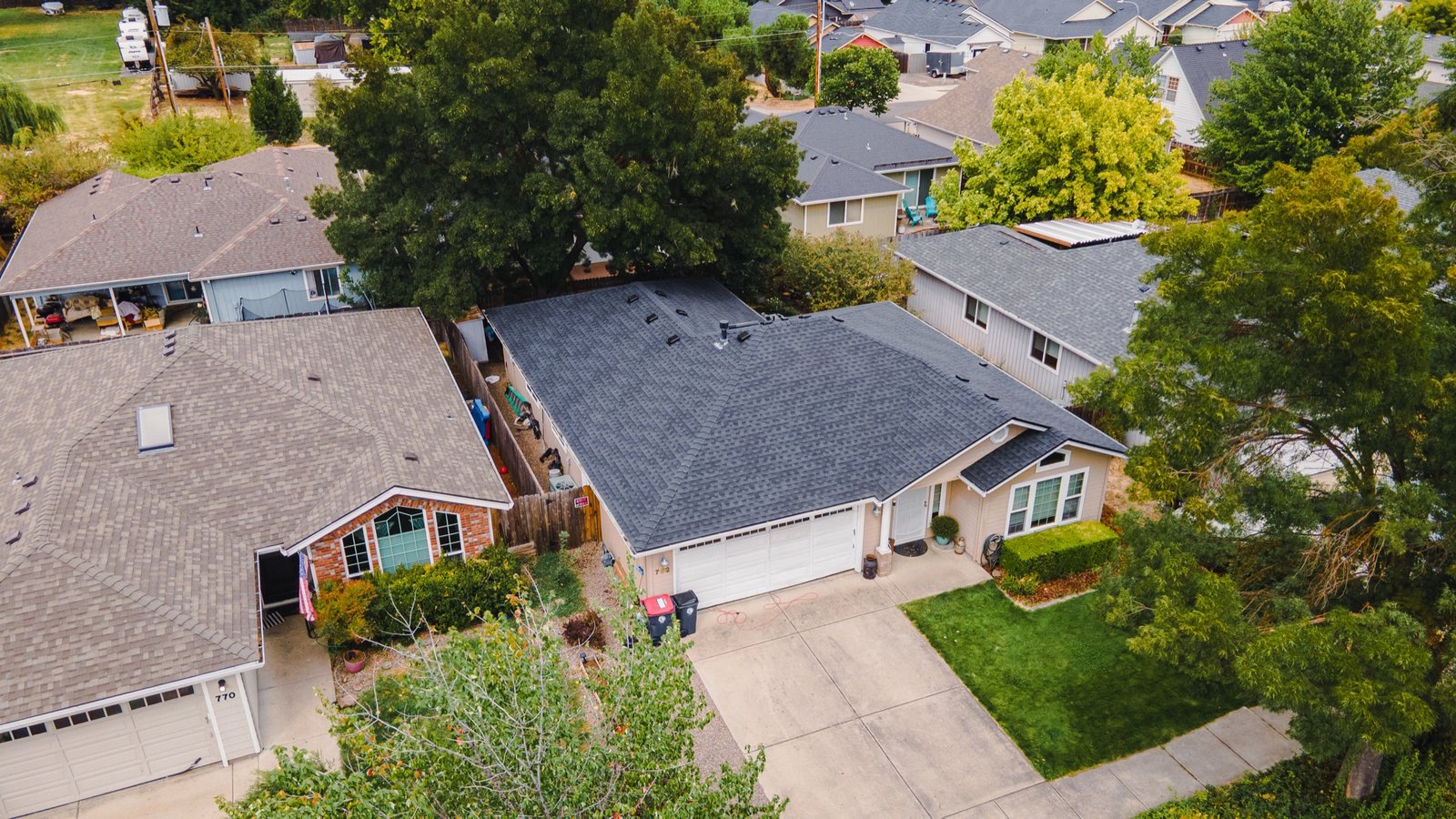
The roof and the complete project frame the material discussion.
IN THIS GUIDE
Choosing a new roof involves more than choosing a surface. Asphalt shingles and metal roofing can look different, involve different installation details and create different questions about the complete project. The useful comparison starts with your actual roof, your priorities and a written scope.
You do not need to decide on a material before contacting OSR. Tell us what you like, what concerns you and what you would like explained. We can look at the roof and discuss appropriate options. The comparisons below describe common roofing categories; availability and suitability need to be confirmed for your home.
Two proposals can use familiar material names while describing different jobs. One may include particular flashing work, a ventilation change or gutter coordination that the other leaves unstated. A material-only price cannot explain those differences. Before comparing totals, ask what is being removed, what is being installed and how existing conditions will be addressed.
The visible covering is one part of the system. Decking, underlayment, valleys, edges, roof-to-wall transitions and penetrations all belong in the discussion. The contractor should explain the proposed assembly and how its parts work together. A preferred color or a general material preference is a useful starting point, but it does not settle those details.
Question
Asphalt shingles
Metal roofing
Initial investment
Often a lower starting cost. The complete roof and installation scope still determine the proposal.
Often a higher starting investment. Compare the installed system, its details and the work included.
Appearance
A layered surface, with color, texture and profile varying by product.
Panel lines and profiles vary by system. Ask to see the actual product being considered.
Fit to the building
Slope, deck condition and transitions need to suit the selected roofing system.
Slope, profile, attachment and transitions need to suit the selected system and building.
Future care
Ask about inspection, debris removal, repair options and the product’s care instructions.
Ask about inspection, drainage, attachment details and the proposed system’s care instructions.
Warranty questions
Read the actual manufacturer and workmanship terms, including conditions and exclusions.
Read the actual manufacturer and workmanship terms, including conditions and exclusions.
Initial investment
Asphalt shingles
Often a lower starting cost. The complete roof and installation scope still determine the proposal.
Metal roofing
Often a higher starting investment. Compare the installed system, its details and the work included.
Appearance
Asphalt shingles
A layered surface, with color, texture and profile varying by product.
Metal roofing
Panel lines and profiles vary by system. Ask to see the actual product being considered.
Fit to the building
Asphalt shingles
Slope, deck condition and transitions need to suit the selected roofing system.
Metal roofing
Slope, profile, attachment and transitions need to suit the selected system and building.
Future care
Asphalt shingles
Ask about inspection, debris removal, repair options and the product’s care instructions.
Metal roofing
Ask about inspection, drainage, attachment details and the proposed system’s care instructions.
Warranty questions
Asphalt shingles
Read the actual manufacturer and workmanship terms, including conditions and exclusions.
Metal roofing
Read the actual manufacturer and workmanship terms, including conditions and exclusions.
This table is a conversation guide, not a recommendation for one material. A short material description cannot establish which option fits a roof, what a complete project will cost or how long a particular installation will perform.
Start by asking whether both proposals describe the same boundaries. Do they address removal and disposal? What is known about decking, and what happens if damage is uncovered? Which flashing and ventilation work is included? Are gutters or solar-related responsibilities part of the roof proposal or a separate arrangement?
Then look at the actual product and installation being proposed. A broad category such as metal does not name a particular profile or system. The same is true of an asphalt-shingle description without product detail. Ask the contractor to make important choices visible in writing so the total has a clear meaning.
The roof replacement cost guide explains the factors that can change an estimate. Use it to prepare questions rather than treating a general planning range as a quote for your house.
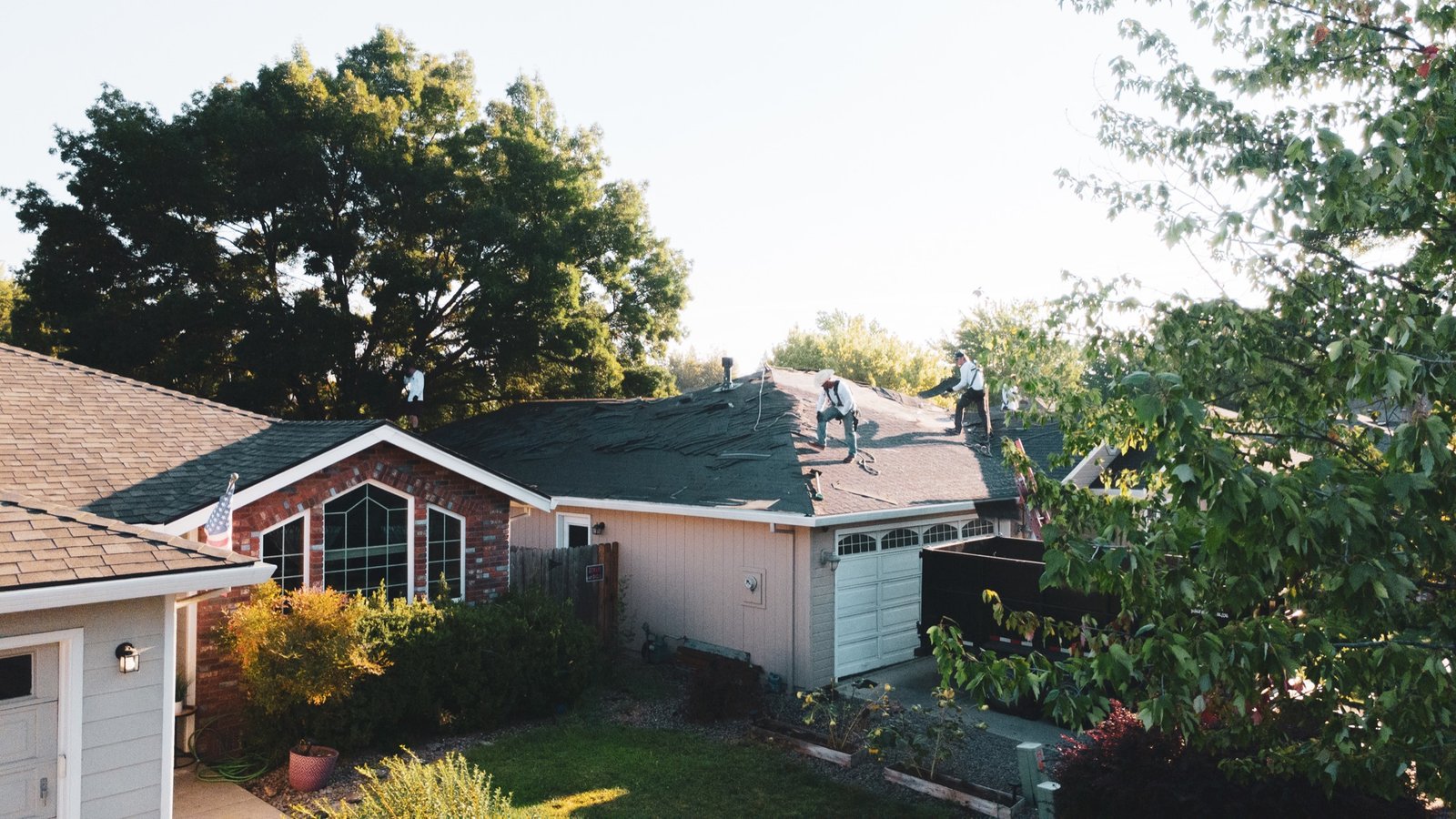
The roof and the full work scope matter alongside the choice of visible covering.
A small sample and a finished roof answer different questions. Ask to see the specific product, profile and available color being discussed, along with relevant examples when available. Consider how it relates to the home’s walls, trim, roof shape and overall appearance. If you have a photograph that captures what you like, bring it as a reference rather than as a technical specification.
Tell OSR which visual qualities matter to you. You might prefer a familiar layered appearance, a particular pattern of panel lines or a color that works with the existing exterior. We can discuss appropriate choices in the context of the roof. Do not assume a photograph represents a product currently offered or a system suitable for your building.
Roof slope, accessible conditions, valleys, walls, penetrations and roof edges affect the planning conversation. Existing ventilation and water-management details also deserve attention. Ask what the inspection shows and how those findings influence the proposed work. You do not need to identify the technical solution yourself.
Related work belongs in the same discussion. If you have solar panels, gutters that may need attention or another planned home project, mention it early. Ask which responsibilities are included, which need coordination and which are outside OSR’s confirmed scope. A material change should not leave those boundaries unclear.
Neither category should be treated as a roof that can be ignored. Ask about the inspection and care guidance for the proposed product and the particular roof. Discuss debris, drainage, visible changes and the appropriate way to report a concern. The useful answer should identify what you can observe safely and when a professional review is appropriate.
You can also ask how future work would be approached. Who should you contact if you notice a problem? Which documents should you keep? What care requirements apply to the selected system? OSR’s roof maintenance information explains how routine care differs from a separate repair scope.
If wildfire exposure is one of your priorities, say so during planning. Ask about the proposed roofing assembly and the related details that need attention. A material name alone does not establish the performance of a complete assembly, and no roof makes a home fireproof.
OSR’s fire-resistant roofing guidance discusses roof coverings, edges, vents, penetrations and ongoing care without making fireproof promises. Use that discussion to ask what applies to your property. Do not assume a generic comparison can replace a review of the actual roof and its surroundings.
Manufacturer coverage and contractor workmanship terms can address different parts of a project. Ask for the written terms relevant to the actual product and installation. Review what is covered, what is excluded, what conditions apply and how a concern should be raised. If a provision is unclear, ask for an explanation before making the decision.
A warranty period is not the same thing as a prediction of roof life. Avoid choosing between two material categories on a headline warranty claim alone. Keep the proposed product, workmanship terms, project scope and care requirements together so you can see what the complete agreement means.
“I like the appearance of this option, but I am still deciding. Can you explain whether it suits my roof, what the complete job includes and which care and warranty terms apply?”
Before calling, make a short note of what matters most to you. Include any roof concern, your appearance preferences and questions about initial budget, household disruption or related work. If you do not know the roof age, product name or measurements, leave those details as unknown. An inspection and a conversation can establish a clearer starting point.
No. You can begin with a concern or an undecided preference. OSR can discuss the roof’s condition and appropriate options before you settle the product and scope.
The total needs to be understood alongside the work, products, exclusions and change procedures. Clarify differences before deciding whether the proposals describe comparable work.
No. This is a comparison of common categories. Confirm actual availability, suitability and the selected product with OSR for your particular roof.
Read about OSR’s roof replacement approach, use the optional roof conversation planner if it helps, or contact OSR directly. You do not need a diagnosis or a final material choice to start a useful conversation.
YOUR NEXT STEP
Tell us what you are seeing and what you would like explained. We will help you understand the condition, the options and the next sensible step.
We use cookies and similar technologies for website statistics and advertising measurement. These optional technologies may process browsing activity and device identifiers unless you opt out. Select Deny to turn off optional tracking. You can change your choice later through Manage consent. Your privacy signals are respected, and forms remain available.