Licensed & insured · Southern Oregon roofing · CCB #260050
ROOF REPLACEMENT / HOMEOWNER GUIDE
A clearer plan for the work – and everyday life.
Understand the sequence and the household questions to discuss before work begins.
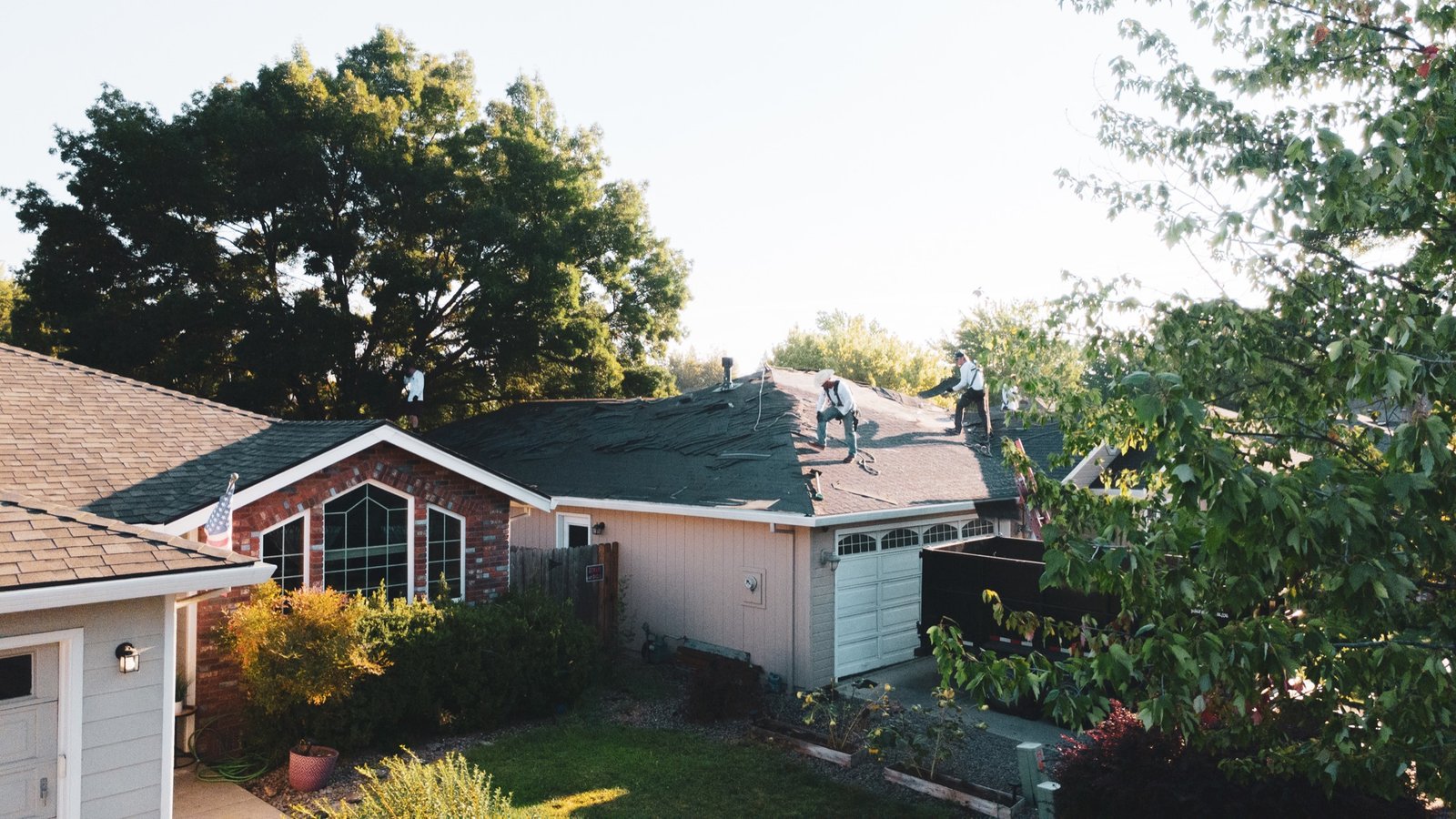
A practical plan covers access, work areas and communication.
IN THIS GUIDE
A roof replacement affects more than the roof. It changes access around the home, creates noise and activity, and can raise questions about timing, hidden conditions and the work still to be agreed. Knowing the sequence helps you prepare without having to manage the technical decisions yourself.
OSR’s process moves from inspection and a written scope through preparation, installation, communication and a final review. The details depend on the actual project. Use this guide to understand the stages and prepare questions, then confirm the schedule, responsibilities and household arrangements for your home.
The conversation starts with what you have noticed and what you want to understand. A recurring leak, visible wear or a larger home project can prompt a roof review. You do not need to know whether repair or replacement is the answer before asking for help. OSR discusses the roof history, reviews visible conditions and explains the findings.
Before agreeing to replacement, ask what supports that recommendation. What is known about the roof, and what cannot be confirmed until existing materials are removed? How would a focused repair differ from a broader scope? The purpose is to understand the practical choices, not to diagnose the roof from a checklist or a photograph.
The proposal should make the planned work understandable. Review the materials, removal and disposal, roof-system details, property protection and related work. Ask which responsibilities belong to OSR and which require a separate arrangement. If solar panels, gutters or another project affect the roof work, bring them into the discussion before the plan is finalized.
Also ask how decisions will be handled if concealed conditions change the work. A decking allowance or an exclusion is worth understanding before tear-off, rather than discovering its meaning during the project. The roof replacement cost guide explains why roof conditions and scope can change an estimate.
The overall project timeline can include inspection, scope decisions, preparation, delivery, roofing work and closeout. Installation days are only one part of that sequence. Ask which dates are confirmed, which are provisional and what still needs to happen before the crew begins. A broad online timeline cannot establish a start date or completion promise for your roof.
Roof size, complexity, access, materials, weather, related work and conditions found during removal can affect the sequence. Ask how updates will be communicated if the plan changes. If you are arranging travel, work calls, visitors or another contractor, explain those needs early and confirm what is practical for the specific project.
Before work starts, discuss the routes people use every day, vehicle access and the areas the crew needs for staging and debris handling. Identify the entry that should remain usable and ask how safe access will be maintained. Tell OSR about pets, deliveries, accessibility needs or other routines that could affect the plan.
Ask which movable outdoor items should be relocated and which areas need particular attention. Walk through questions about furniture, planters and frequently used spaces rather than guessing how close the work will come. If you are unsure about an item or a location, ask before moving it or entering the work area.
Plan for noise and activity. A household member working from home, a sleeping child or an animal sensitive to noise may need a different arrangement during the busiest stages. The right plan depends on the project and the household; there is no universal instruction that everyone must leave or that everyday routines will be unaffected.
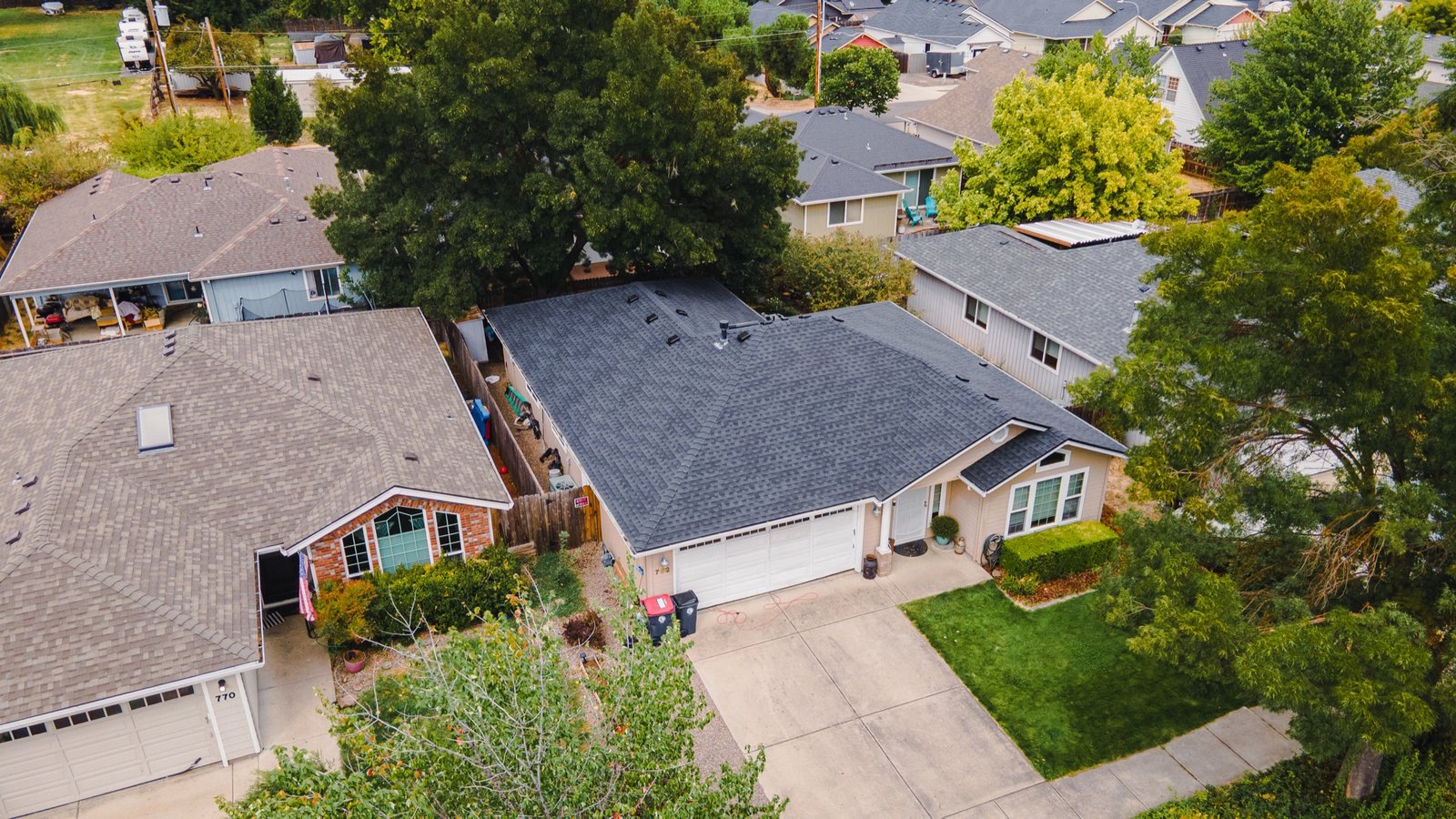
Discuss access, staging and household routines before the roofing work begins.
Before work starts, we plan access, protection for vulnerable areas and staging, and explain the daily work. Use the pre-work conversation to confirm what that means at your home. Ask where vehicles and deliveries should go, which routes remain available and whom to contact if an arrangement stops working.
Keep visitors and household members aware of the agreed boundaries. Do not enter a roofing or debris-handling area to inspect progress yourself. If you have a concern about access or protection, use the project contact rather than trying to solve it around active work. Clear communication supports both the household and the crew.
Existing roofing is removed as included in the agreed scope so the visible deck can be reviewed. Conditions hidden beneath the covering cannot always be confirmed beforehand. This is one reason a written change procedure matters even when the original inspection was careful.
If additional damage is found, ask to understand the finding, the proposed response and its effect on the work. We document and discuss changed conditions before additional work begins. Confirm how communication and approval will happen for your project. Any allowance should be explained in the context of your proposal so you understand what it covers and how changes affect the cost.
The work involves the selected system and its related details, rather than only the visible surface. Underlayment, flashings, ventilation, edges and transitions belong in the confirmed scope as appropriate to the roof. Ask how the crew will communicate progress and which items you will review at closeout.
Weather or a change in conditions can affect the sequence. Ask what you should expect at the end of a work day and how your home will be protected while the job is underway. Your schedule depends on the actual roof and project conditions, not a generic one-day or two-day promise. We explain the plan and keep you informed when changes affect it.
If the roof has solar panels, review the sequence and responsibility map before work begins. Panel handling, roofing beneath the array and confirmed reinstallation need to be understood together. OSR’s solar coordination information describes the roofing-related discussion; it does not establish unlisted electrical, design or testing work.
Gutters deserve a similar scope conversation. Existing condition, attachments, roof-edge details and access can affect whether related work is useful. Ask which items are included, which are separate and how their timing fits the roofing work. Mention another planned home improvement so overlapping responsibilities are not left to assumption.
OSR describes property protection, daily cleanup, magnetic sweeps and a final walk-through as part of its approach. At the final review, ask what has been checked and how to raise a remaining concern. Walk through the agreed scope and any approved changes so the finished work has a clear relationship to the written plan.
Discuss the areas around the home as well as the roof. Confirm the route back to ordinary use and any remaining project arrangements. If something still needs attention, make sure both sides understand the next step and the contact for follow-up. A clear closeout conversation is more useful than assuming every question has been answered because the crew has packed up.
Ask which project documents, product information, written warranty terms and care instructions you should retain. Keep the original scope and approved changes with that information. If a warranty condition or a maintenance instruction is unclear, ask for an explanation while the project is being reviewed.
Then confirm how to report a future concern. You can observe changes from normal, safe areas around the home without climbing onto the roof. OSR’s roof maintenance page explains the distinction between routine care and work that needs a separate repair scope. Follow guidance appropriate to the actual installed system.
Discuss your household and the actual work plan with OSR. Noise, access and daily routines vary. Confirm practical arrangements rather than assuming you must leave or that every part of the home will remain unaffected.
You can still ask for help. Share what you have noticed and any history you know. Unknown details are a starting point for the inspection and scope conversation, not a reason to delay contacting OSR.
No. Your roof, confirmed scope, materials, weather, access and changed conditions shape the schedule. Ask OSR for the project-specific sequence and how updates will be shared.
Explore roof replacement with OSR, use the optional roof conversation planner to organize your thoughts, or contact OSR directly. You do not need a finished specification, roof measurements or a diagnosis to begin.
YOUR NEXT STEP
Tell us what you are seeing and what you would like explained. We will help you understand the condition, the options and the next sensible step.
We use cookies and similar technologies for website statistics and advertising measurement. These optional technologies may process browsing activity and device identifiers unless you opt out. Select Deny to turn off optional tracking. You can change your choice later through Manage consent. Your privacy signals are respected, and forms remain available.